
Foam Rolling: What It Does and What It Does Not — Flintridge Family Chiropractic
Foam Rolling: What It Does and What It Does Not: practical guidance from Flintridge Family Chiropractic in La Cañada Flintridge. Call (818) 937-2202.
This guide covers foam rolling: what it does and what it does not for patients, employers, and partners across the Foothill communities we serve from 4522 Rinetti Lane, La Cañada Flintridge, CA 91011. It is written to be useful on its own, without needing an appointment first.
The short answer
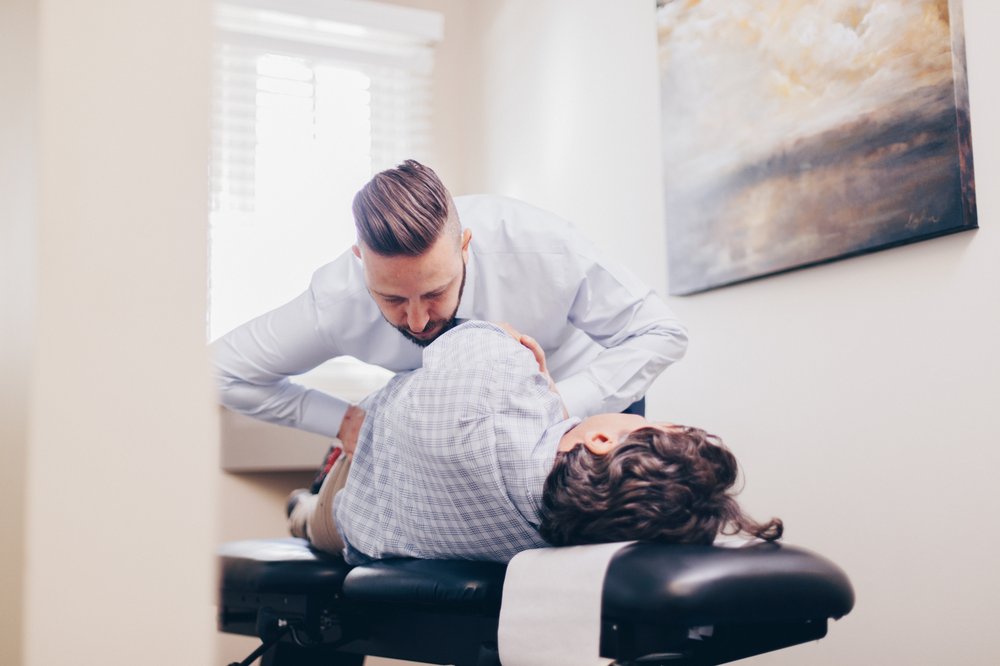
Most questions about foam rolling: what it does and what it does not come down to three things: what actually happened, what can be measured, and what changes week to week. Guessing costs time. A short evaluation and a clear plan usually save it. Call (818) 937-2202 or book a visit if you want the specifics applied to your situation.

Why this comes up
People rarely ask about this out of curiosity. It usually follows a collision, a new job, a training change, or a nagging symptom that has not resolved on its own. Understanding the mechanics removes a lot of unnecessary worry and prevents the two common mistakes: doing nothing at all, and doing far too much too quickly.
What matters most
- The timeline: what came first, and what changed it.
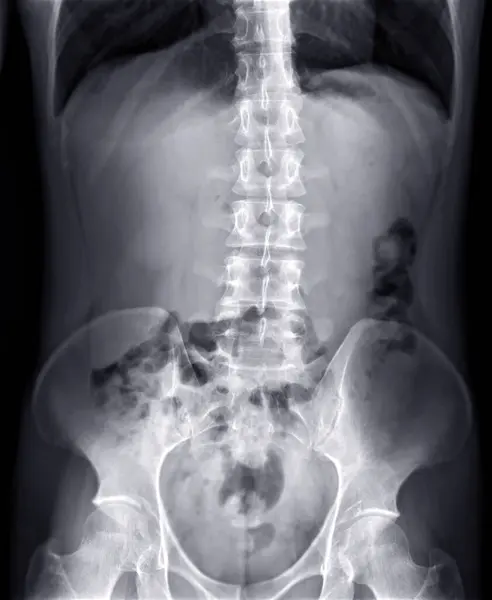
- Objective measures: motion, strength, tolerance, sleep, and specific daily tasks.
- Warning signs that call for medical evaluation rather than conservative care.
- A plan with checkpoints, so progress is verified rather than assumed.
- Something practical to do between visits.

Practical guidance
Keep comfortable movement in the day rather than resting completely; tolerance drops quickly with inactivity. Change position often instead of chasing one perfect posture. Reduce the single activity causing the biggest flare, then add it back gradually. Protect sleep, because it influences pain sensitivity more than most people expect. Track one meaningful task rather than watching pain intensity alone.
If a collision, fall, or significant trauma is part of the story, get evaluated even when symptoms seem mild. Muscle guarding and inflammation frequently peak on the second or third day, and early documentation matters for both recovery and any claim.
A closer look
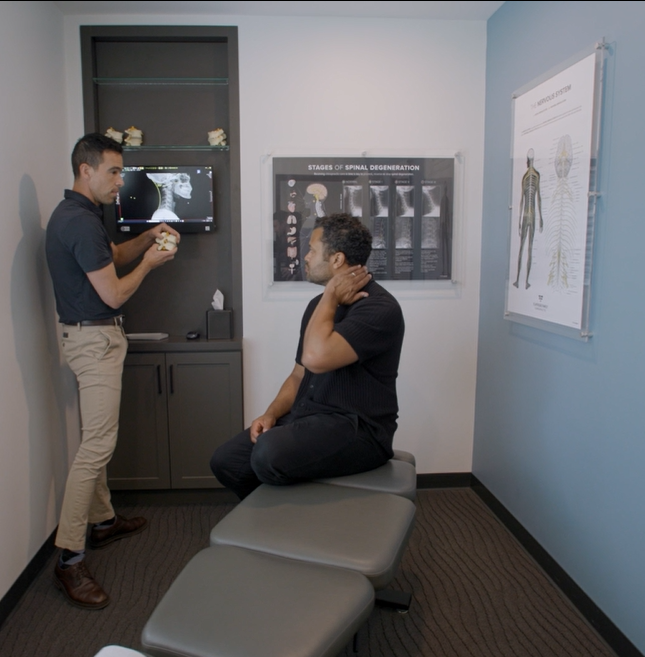
The details differ from person to person, but the structure of a good answer does not. First establish what changed: a collision, a training increase, a new desk, a period of poor sleep, or an illness. Then establish what is measurable right now: how far a joint moves, how long a position is tolerated, whether strength and sensation are intact, and which specific tasks are limited. Only then does a plan make sense.
Care that skips those steps tends to become open-ended, because there is no way to tell whether it is working. Care that includes them can be short, and can be adjusted honestly when the response is not what was expected.
What good progress looks like
Pain intensity is a noisy measure. Better early indicators are sleeping through the night, driving further before symptoms build, climbing stairs without hesitation, returning to a workout at reduced load, or having shorter flares after the same activity. When those improve, pain usually follows.
If nothing measurable has changed after a reasonable trial, the plan should change too. That may mean different treatment, imaging, or referral to a medical specialist. Repeating an approach that has not worked is the most common way recovery stalls.
Practical questions worth asking any provider
- What do you think is irritated, in plain language?
- What did you rule out, and how?
- What should improve first, and by when?
- What should I do between visits?
- What is the plan if this does not work?
When to seek medical care instead
Seek urgent evaluation for loss of consciousness, worsening confusion, severe or escalating headache, vision or speech changes, chest pain, shortness of breath, abdominal pain, fever with spinal pain, rapidly progressing weakness, numbness in the saddle area, or loss of bladder or bowel control. Children, pregnant patients, and older adults may need lower thresholds.
How we can help
A first visit is a history, a focused examination, and a plain-language explanation of the working diagnosis with measurable goals. Care may include chiropractic adjustments, low-force techniques, soft-tissue work, and progressive exercise. If the findings point outside our scope, we refer rather than continue.
We also bring this material out into the community through short studio workshops, corporate Lunch & Learns, and health fairs across Pasadena, Glendale, Burbank, and the Foothill cities. Call (818) 937-2202 to ask about an appointment or to host a session. More detail is on our services page, our auto injury page, and our contact page.
Frequently Asked Questions
Do I need an appointment to get help with this?+
Not to read the guidance here. For advice specific to your situation, call (818) 937-2202 or book a visit.
How soon should I be evaluated after a collision?+
As soon as emergency risks are ruled out. Early documentation helps both recovery and any claim.
Do you host workshops for gyms and offices?+
Yes. We run short studio workshops and corporate Lunch & Learns across the Foothill cities at no cost to the host.