TMJ Doctor Offices in Sierra Madre: A Local Guide to Jaw & Bite Care
Find expert TMJ doctor offices in Sierra Madre for comprehensive jaw and bite care. Learn about symptoms, treatments, and when to see a chiropractor for TMJ.
Welcome to your local guide on understanding and addressing temporomandibular joint (TMJ) disorders, particularly if you're searching for 'TMJ doctor offices in Sierra Madre' or 'local TMJ doctors in Sierra Madre'. The TMJ is a complex joint, acting like a sliding hinge connecting your jawbone to your skull. When something goes wrong with this joint, or the muscles and ligaments surrounding it, it can lead to a range of uncomfortable and often debilitating symptoms. Millions of people experience TMJ issues, and finding the right care can significantly improve their quality of life. This article will delve into what TMJ dysfunction entails, the signs to look out for, various treatment approaches, and how local specialists can help you on your path to recovery.

Understanding Temporomandibular Joint (TMJ) Dysfunction
To truly address TMJ issues, it's helpful to understand the basic anatomy and function of this vital joint. The temporomandibular joint is one of the most frequently used joints in the body, facilitating talking, chewing, yawning, and swallowing. It consists of the temporal bone of the skull, the mandible (lower jaw), and an articular disc that acts as a cushion between the bones. Muscles, ligaments, and nerves all play crucial roles in its proper function. When any component of this intricate system is disrupted, it can lead to what is collectively known as a temporomandibular disorder (TMD).
What Causes TMJ Problems?
The causes of TMJ problems are multifactorial and can vary greatly from person to person. Common culprits include injury to the jaw, joint, or muscles of the head and neck, such as a heavy blow or whiplash. Arthritis in the TMJ, similar to arthritis in other joints, can also contribute to pain and dysfunction. Stress is a significant factor, as many individuals unconsciously clench or grind their teeth (bruxism) during stressful periods, putting immense strain on the TMJ. Misalignment of the teeth or bite problems can also contribute to uneven wear and tear on the joint. Sometimes, no clear cause can be identified, making diagnosis and treatment a process of elimination and personalized care.
Signs and Symptoms to Watch For
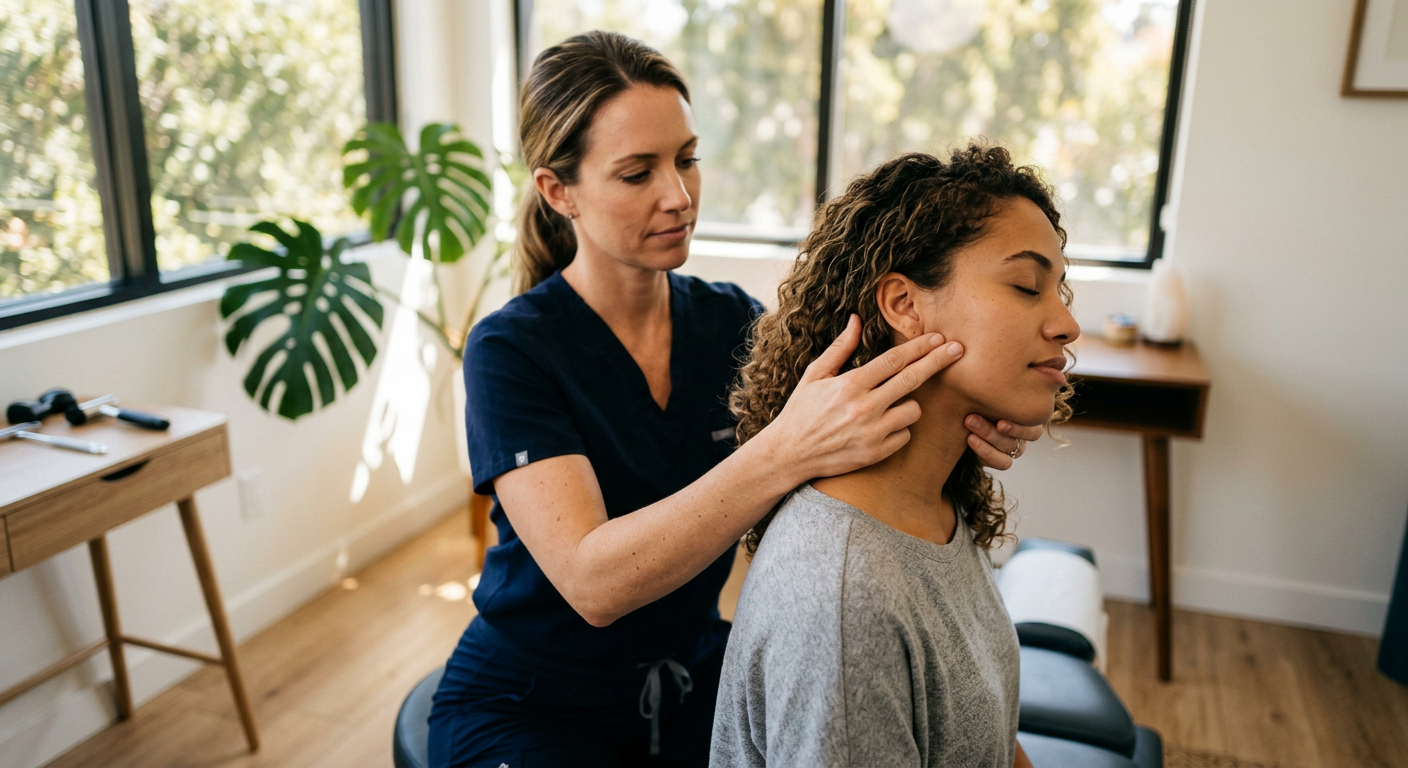
Recognizing the signs and symptoms of TMJ dysfunction is the first step toward seeking appropriate care, especially when looking for 'TMJ doctor offices in Sierra Madre'. The symptoms can be diverse and may mimic other conditions, making a proper diagnosis from a healthcare professional essential.
Common TMJ Symptoms
- Pain or tenderness in your jaw: This is often the most common symptom, focusing around the jaw joint itself, but can radiate to the ears, face, and even the neck and shoulders.
- Aching pain in and around your ear: This can sometimes be mistaken for an ear infection, but the pain originates from the TMJ.
- Difficulty or discomfort while chewing: Eating can become painful or challenging, especially with harder foods.
- Aching facial pain: Chronic facial pain, often described as a dull ache, can be a persistent issue.
- Locking of the joint, making it difficult to open or close your mouth: This can be frightening and severely limit jaw movement.
- Clicking, popping, or grating sounds: These sounds may occur when you open or close your mouth or chew. While not always indicative of a problem if painless, persistent and painful sounds warrant investigation.
- Headaches: Often tension-type headaches, but sometimes migraines can be exacerbated by TMJ issues.
- Dizziness: Though less common, some individuals report dizziness associated with TMJ dysfunction.
- Neck and shoulder pain: Due to the interconnected musculature, TMJ problems can lead to referred pain in the neck and shoulders.
It's important to note that these symptoms can fluctuate in intensity and frequency. Keeping a journal of your symptoms can be helpful for your healthcare provider to understand the patterns and triggers.
When to See a Chiropractor for TMJ
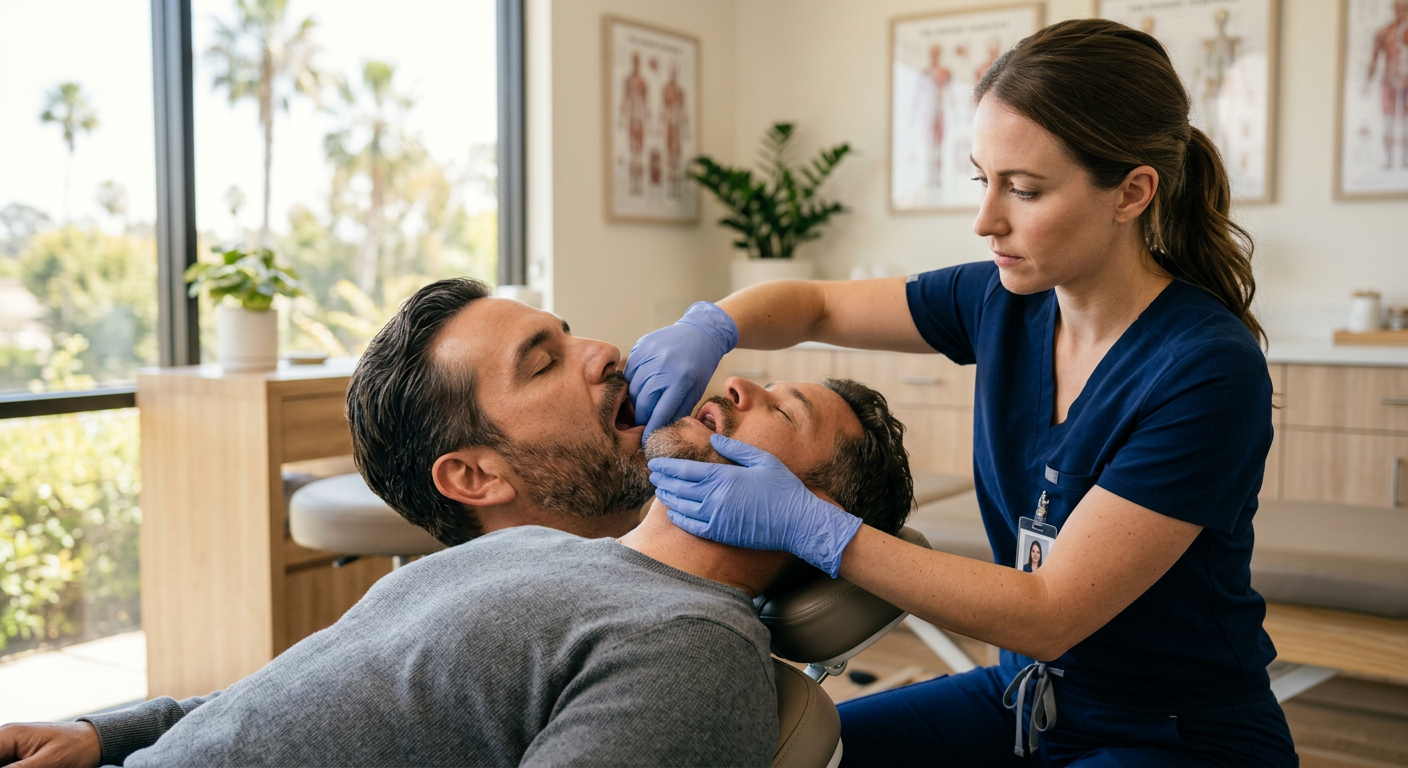
While dental professionals often play a primary role in diagnosing and treating TMJ disorders, chiropractors can be invaluable members of your healthcare team, especially when you're seeking 'local TMJ doctors in Sierra Madre'. Chiropractic care focuses on the intricate relationship between the spine, nervous system, and overall body function. Given the close proximity and functional connection between the cervical spine (neck) and the temporomandibular joint, it's not uncommon for misalignments or tension in one area to impact the other.
How Chiropractic Care Can Help
A chiropractor can assess your posture, spinal alignment, and the mobility of your neck and jaw. They may identify restrictions or misalignments that are contributing to your TMJ pain and dysfunction. Through gentle adjustments and other manual therapies, a chiropractor aims to:
- Reduce muscle tension: Techniques such as massage, trigger point therapy, and other soft tissue work can help release tight muscles in the jaw, neck, and shoulders that are contributing to TMJ pain.
- Improve joint mobility: Spinal adjustments can correct misalignments in the neck that may be indirectly affecting jaw function. Direct, gentle adjustments to the jaw itself may also be performed, depending on the chiropractor's expertise and your specific condition.
- Alleviate pain: By addressing the underlying biomechanical issues, chiropractic care can significantly reduce pain levels associated with TMJ disorders.
- Enhance overall posture: Improved posture can reduce the compensatory strain placed on the jaw and neck muscles.
- Offer lifestyle advice: Chiropractors can provide guidance on ergonomics, stress management techniques, and exercises to support jaw health.
If you're experiencing chronic jaw pain, headaches, neck stiffness, or clicking and locking of your jaw, particularly if these symptoms are accompanied by spinal discomfort, consulting a chiropractor is a wise step. They can work in conjunction with your dentist or other specialists to provide a holistic approach to your TMJ care. Flintridge Family Chiropractic, serving La Cañada Flintridge, Pasadena, Glendale, La Crescenta, Montrose, and Foothill communities, is one such provider dedicated to helping individuals find relief from musculoskeletal issues, including those related to the TMJ. You can see conditions they address or book an appointment to discuss your specific concerns.

What TMJ Treatment Looks Like
Treatment for TMJ disorders is highly individualized, depending on the severity of your symptoms, the underlying cause, and your overall health. It often involves a multi-faceted approach, combining various therapies to achieve optimal results. When exploring 'TMJ doctor offices in Sierra Madre', you'll find a range of professionals offering different aspects of care.
Conservative Treatment Approaches
Most TMJ issues respond well to conservative treatments, which focus on pain relief, restoring normal jaw function, and preventing further damage.
- Pain relievers and anti-inflammatories: Over-the-counter medications like ibuprofen or naproxen can help manage pain and inflammation. In some cases, stronger prescription medications may be prescribed.
- Muscle relaxants: These can help alleviate pain caused by muscle spasms associated with TMJ disorders.
- Oral splints or mouthguards: Often prescribed by dentists, these custom-made acrylic appliances fit over your upper or lower teeth and help reduce the effects of teeth clenching or grinding. They can also help reposition the jaw to a more favorable alignment.
- Therapies:
- Physical therapy: Exercises to stretch and strengthen jaw muscles, improve posture, and alleviate pain.
- Chiropractic care: As discussed, addressing spinal alignment and muscle tension, particularly in the neck and jaw.
- Acupuncture: Some individuals find relief from TMJ pain through acupuncture, an ancient Chinese healing technique.
- Lifestyle modifications:
- Soft food diet: Temporarily eating softer foods can reduce strain on the jaw.
- Applying ice or moist heat: Alternating between ice packs and warm compresses can help manage pain and inflammation.
- Avoiding extreme jaw movements: Yawning widely, chewing gum, and other activities that overwork the jaw should be limited.
- Stress management: Techniques like meditation, yoga, and deep breathing can help reduce stress-induced teeth clenching.
Advanced or Invasive Treatments
For a small percentage of individuals who do not respond to conservative treatments, more advanced or invasive options may be considered, but these are typically a last resort.
- Injections: Corticosteroid injections into the joint can provide temporary pain relief and reduce inflammation. Botox injections into the jaw muscles can also help relieve pain and tightness for some.
- Arthrocentesis: A minimally invasive procedure involving the insertion of small needles into the joint to irrigate it and remove debris and inflammatory byproducts.
- Surgery: Open-joint surgery or arthroscopy may be considered in severe cases, especially when there are structural problems within the joint. The decision for surgery is made carefully after all other options have been exhausted and in consultation with an oral and maxillofacial surgeon.
When seeking 'local TMJ doctors in Sierra Madre', it's crucial to find practitioners who prioritize a conservative, evidence-based approach and are willing to collaborate with other specialists to ensure comprehensive care. Your treatment plan should be tailored to your specific needs and continually evaluated for effectiveness.
Finding Local TMJ Doctor Offices in Sierra Madre
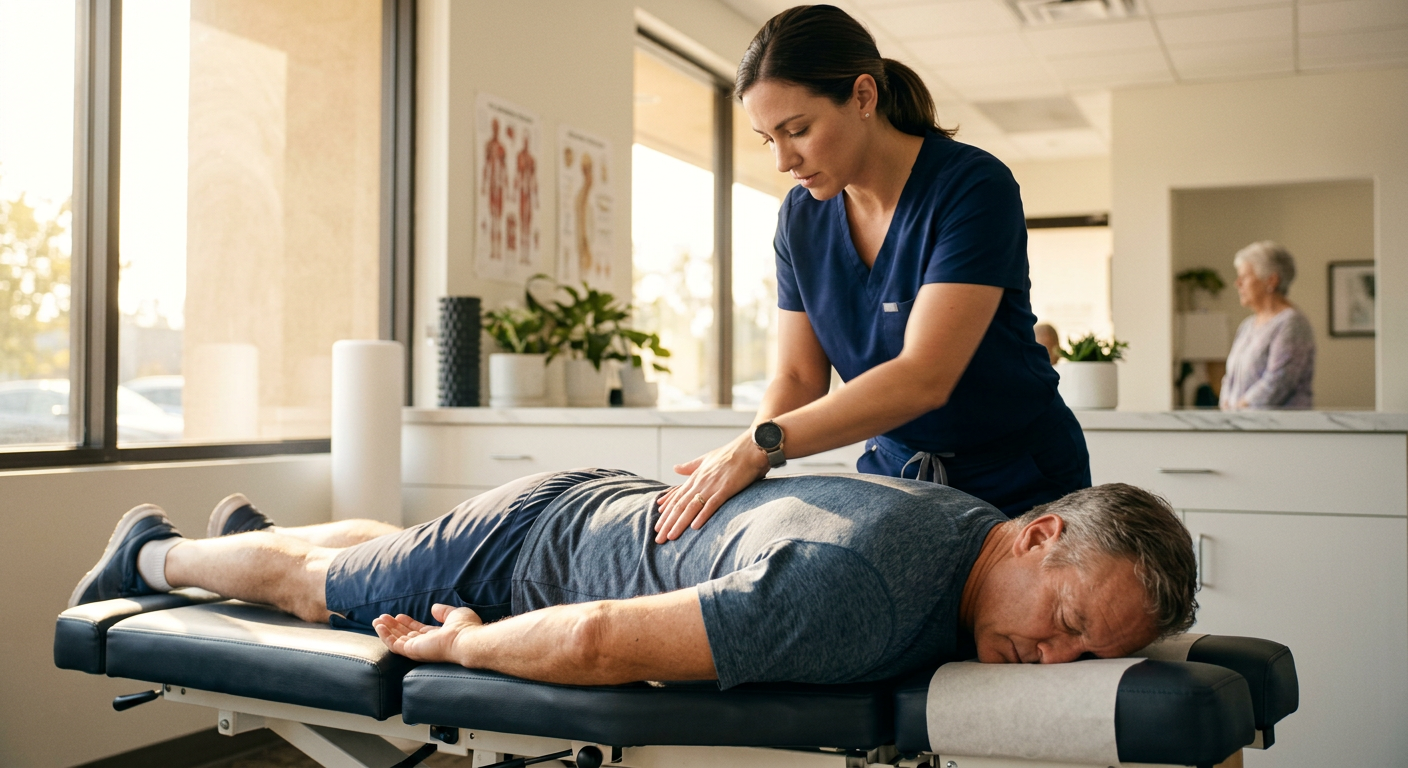
Navigating the healthcare landscape to find the right specialists can feel daunting, but thankfully, there are excellent 'TMJ doctor offices in Sierra Madre' and the surrounding areas. Start by consulting your primary care physician or dentist, as they can often provide referrals to trusted TMJ specialists, oral surgeons, or chiropractors who have experience with jaw and bite care. Online directories and patient reviews can also be valuable resources for identifying qualified providers.
When researching potential providers, consider their experience with TMJ disorders, their approach to treatment (conservative vs. interventional), and read testimonials from other patients. Don't hesitate to schedule initial consultations to discuss your symptoms, ask questions about their diagnostic and treatment philosophies, and ensure you feel comfortable and confident in their care. A collaborative approach, where dentists, chiropractors, and other specialists work together, often yields the best outcomes for complex TMJ cases. Remember that places like Flintridge Family Chiropractic, while not in Sierra Madre directly, serve the broader Foothill communities including La Cañada Flintridge, Pasadena, Glendale, La Crescenta, and Montrose, and are well-equipped to assist with the musculoskeletal aspects of TMJ often associated with neck and spinal health.
Conclusion
Living with TMJ pain can significantly impact your daily life, but with the right diagnosis and treatment from 'TMJ doctor offices in Sierra Madre' or nearby specialists, relief is possible. By understanding the symptoms, exploring conservative treatment options, and knowing when to seek the expertise of a chiropractor or other healthcare professional, you can take proactive steps towards better jaw health. Don't let TMJ pain dictate your comfort; explore your local options and embark on a path to lasting relief and improved well-being. Book an appointment today to start your journey to a pain-free life.