TMJ and Jaw Pain Chiropractic Care Near Highland Park
A practical guide to TMJ chiropractor Highland Park, including evaluation, safety signs, care options and questions to ask. Call (818) 937-2202.
People in Highland Park often balance walkable errands, creative work, commutes, and active weekends. When pain or restricted movement starts changing those routines, the useful question is not simply whether to see a chiropractor. It is how to find care that begins with a careful examination, explains what is happening, and measures whether the plan is helping. Our office in La Cañada Flintridge serves patients from Highland Park and the surrounding foothill communities.
The short answer
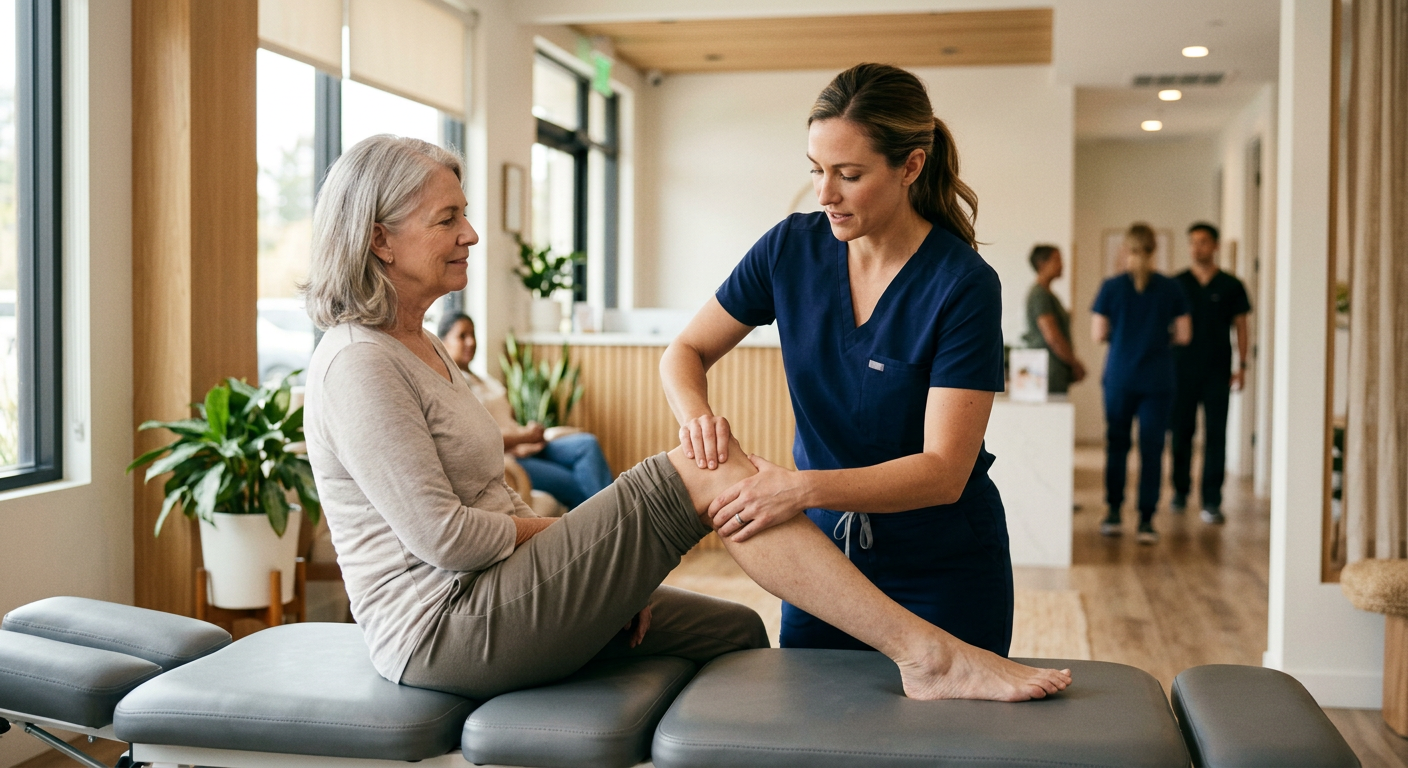
A good search for TMJ chiropractor Highland Park should lead to more than a list of claims. Look for an office that explains its examination, personalizes care, measures function, and refers out when a problem needs another kind of clinician. Flintridge Family Chiropractic is located at 4522 Rinetti Lane in La Cañada Flintridge. Call (818) 937-2202 or request a visit to discuss whether an evaluation fits your needs.
Jaw pain often involves more than the jaw
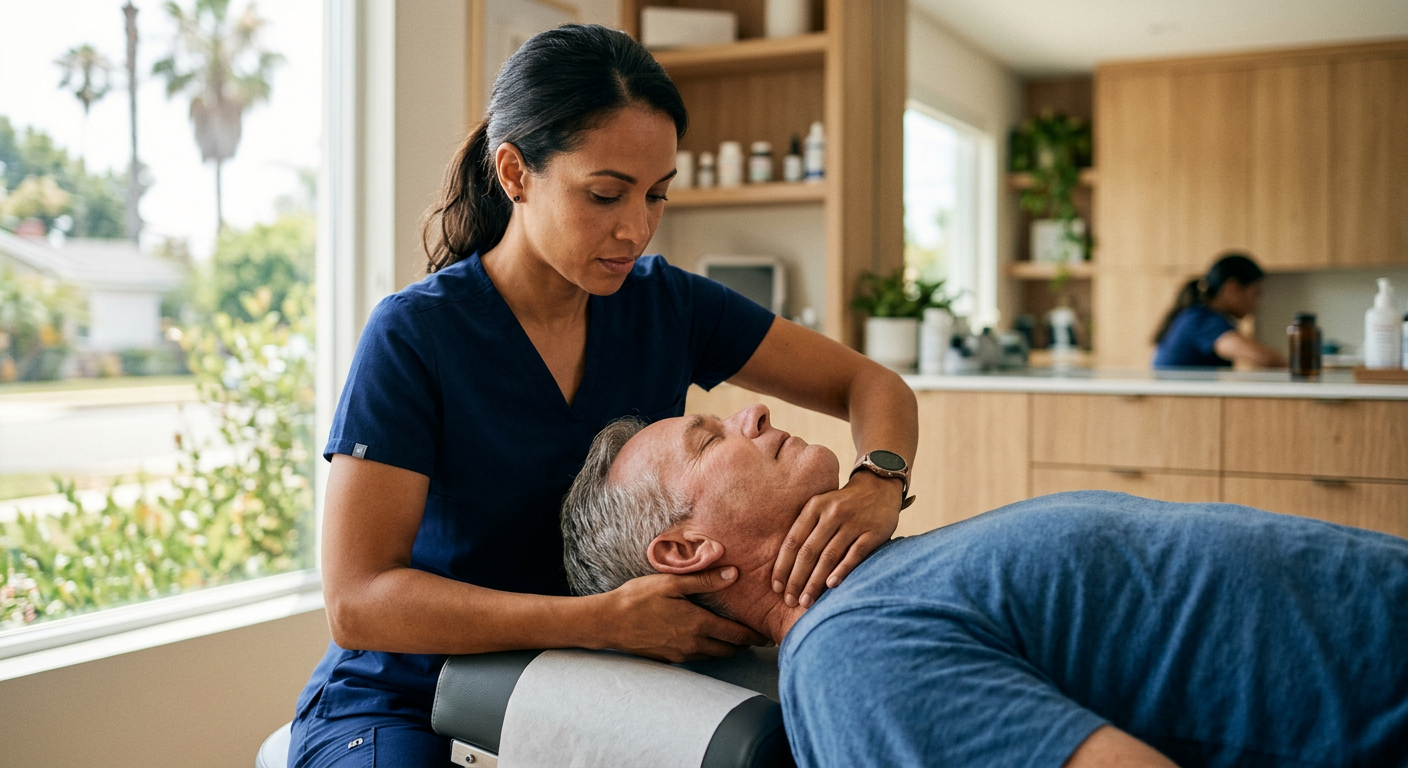
TMJ symptoms may include clicking, limited opening, temple pain, ear-area discomfort, clenching, headaches, and neck tension. Dental factors, sleep, stress, injury, and cervical movement can overlap, so a complete history matters.
For someone managing walkable errands, creative work, commutes, and active weekends, recommendations should be realistic enough to use between visits. The aim is steady capacity and confidence, not dependence on passive care or a promise that every symptom has the same cause.

What a chiropractic TMJ evaluation considers
The clinician may assess jaw opening, side-to-side motion, tenderness, bite-related history, posture, upper-neck movement, and neurological signs. The goal is to identify mechanical contributors while recognizing when a dentist, physician, or oral-facial pain specialist should be involved.
For someone managing walkable errands, creative work, commutes, and active weekends, recommendations should be realistic enough to use between visits. The aim is steady capacity and confidence, not dependence on passive care or a promise that every symptom has the same cause.

When co-management is important
Jaw locking, recent facial trauma, a sudden bite change, swelling, infection signs, severe dental pain, or unexplained weight loss warrant prompt dental or medical assessment. Persistent symptoms may benefit from coordinated care rather than relying on one discipline.
For someone managing walkable errands, creative work, commutes, and active weekends, recommendations should be realistic enough to use between visits. The aim is steady capacity and confidence, not dependence on passive care or a promise that every symptom has the same cause.
What conservative care may include
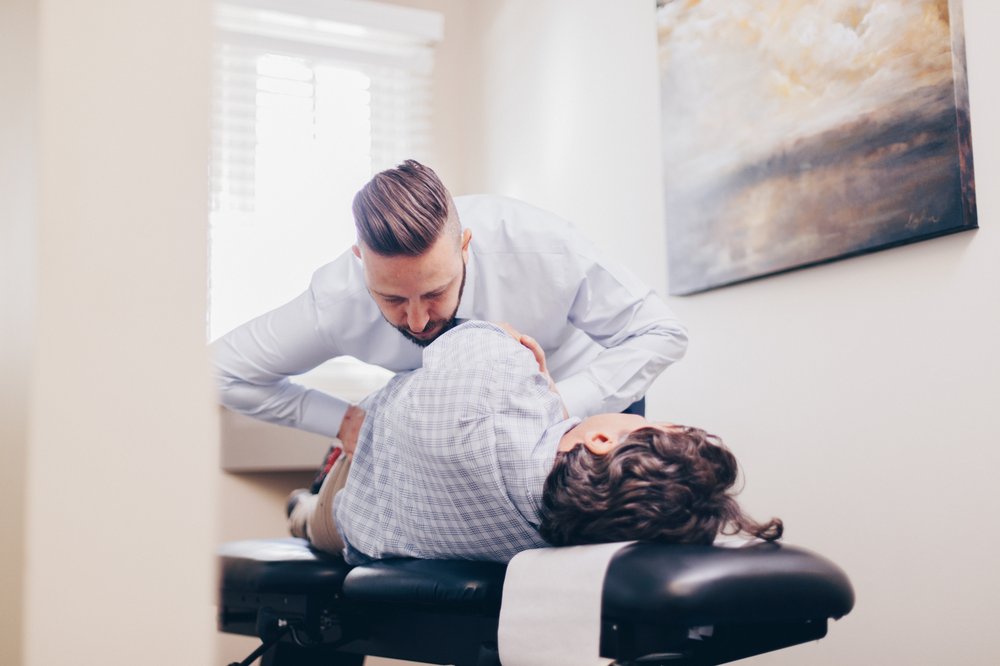
Care may use gentle jaw and upper-neck techniques, muscle relaxation strategies, controlled motion exercises, and advice about temporarily reducing aggravating chewing habits. Treatment should remain comfortable and should be adjusted if symptoms increase.
For someone managing walkable errands, creative work, commutes, and active weekends, recommendations should be realistic enough to use between visits. The aim is steady capacity and confidence, not dependence on passive care or a promise that every symptom has the same cause.
Habits to review
Daytime clenching, gum chewing, nail biting, stomach sleeping, and prolonged forward-head posture can add load. Rather than trying to hold perfect posture all day, use regular movement breaks and notice when the teeth are touching at rest.
For someone managing walkable errands, creative work, commutes, and active weekends, recommendations should be realistic enough to use between visits. The aim is steady capacity and confidence, not dependence on passive care or a promise that every symptom has the same cause.
Preparing for the first appointment
Bring a medication list, relevant imaging or reports, dates and details of prior injuries, and notes about what makes symptoms better or worse. Wear clothing that allows comfortable movement. Write down the two or three activities you most want to regain; those goals help make the evaluation and progress checks specific.
How progress is measured
A sound plan uses repeatable measures such as range of motion, strength, symptom distribution, walking or sitting tolerance, sleep, and ability to return to work, childcare, exercise, or sport. If the expected change does not occur, the clinician should reconsider the working diagnosis, adjust the plan, or recommend another provider.
Local care near Highland Park
Residents searching for TMJ chiropractor Highland Park can learn more on our related service page and contact our office. We explain findings before care begins, discuss appropriate options, and help patients decide on a practical next step. Call (818) 937-2202 to ask about availability.
Frequently Asked Questions
How do I choose a chiropractor near Highland Park?+
Look for a careful examination, clear explanations, individualized recommendations, measurable goals, and appropriate referrals. Ask how progress will be reviewed before agreeing to a plan.
Do I need imaging before chiropractic care?+
Not everyone needs imaging. It is most useful when the history, trauma, neurological findings, health risks, or lack of expected improvement suggest the result could change care.
How soon should I expect progress?+
Timing varies by the condition, its duration, overall health, and daily demands. Your clinician should define functional goals and reassess rather than promise a fixed result.
Where is Flintridge Family Chiropractic relative to Highland Park?+
The office is at 4522 Rinetti Lane in La Cañada Flintridge and serves patients throughout nearby foothill communities. Call (818) 937-2202 for current scheduling information.