
Working With a Personal Injury Attorney After a Eagle Rock Car Accident
Eagle Rock car accident care guide: crash injury symptoms, evaluation, treatment, insurance and documentation. Call (818) 937-2202.
If you were in a collision on or near Colorado Boulevard and the 134, the hours and days afterward can feel disorienting. Adrenaline masks pain, paperwork piles up, and it is hard to know whether what you feel is normal soreness or an injury that needs attention.
This guide is written for drivers, passengers and families in Eagle Rock. It explains what crash-related injuries actually look like, how a chiropractic evaluation fits alongside your medical care, and the practical steps that protect both your recovery and your record.
What Happens to the Body in a Collision
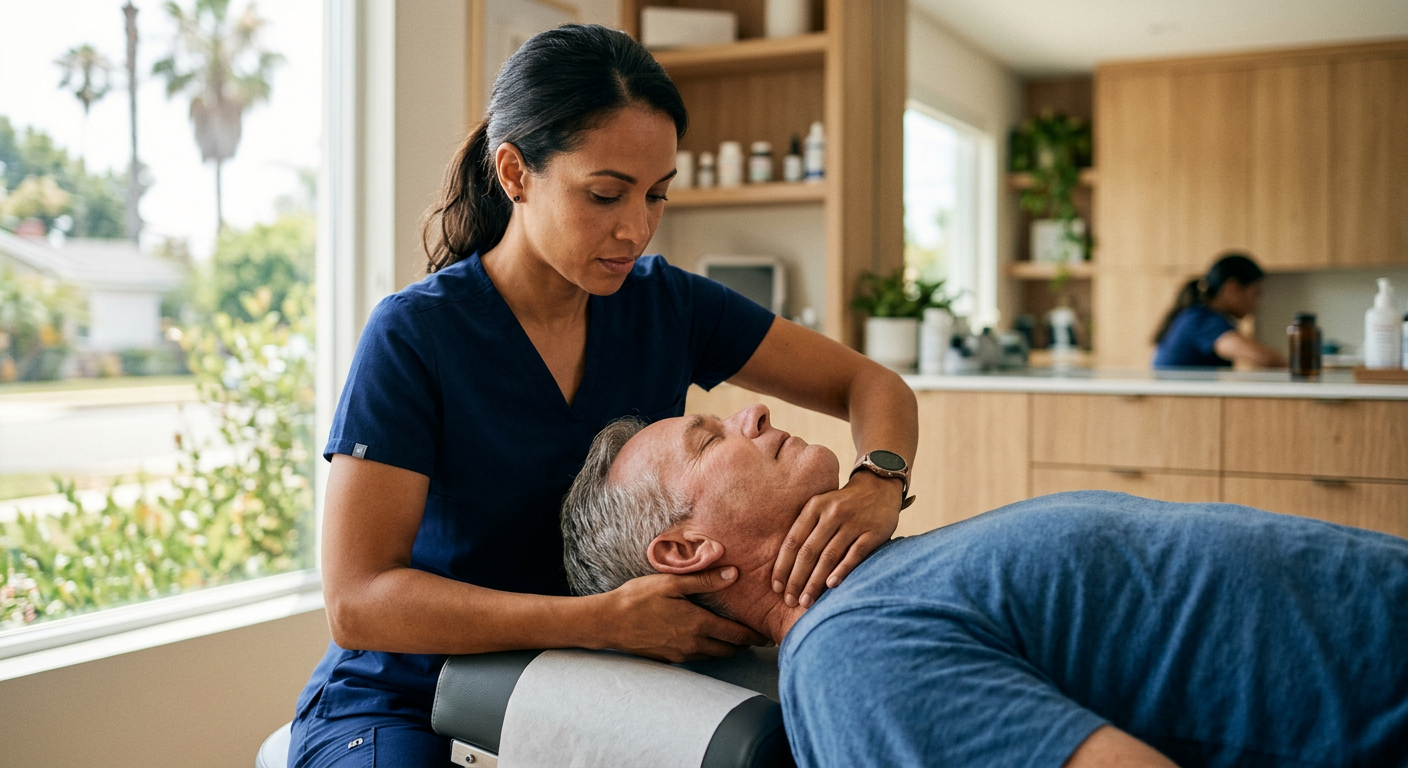
A crash transfers force through the spine in a fraction of a second. Muscles tighten to protect joints, ligaments stretch beyond their normal range, and small spinal joints can lose their usual glide. None of that necessarily shows up as dramatic pain on day one.
That is why so many people walk away from a collision feeling fine and wake up two or three days later with a stiff neck, a dull headache behind the eyes, or a low back that will not let them sit comfortably at a desk.
Vehicle damage is a poor predictor of injury. Low-speed impacts around the Eagle Rock Plaza area produce real symptoms every year, because a stiff bumper transfers more energy to occupants rather than absorbing it.

Symptoms Worth Taking Seriously
Neck stiffness or reduced ability to turn your head. Headaches that start at the base of the skull. Pain between the shoulder blades. Low back pain that worsens with sitting. Tingling or numbness into an arm or leg. Jaw soreness or clicking. Dizziness, ringing in the ears, or trouble concentrating.
Some signs need emergency medical evaluation rather than a chiropractic appointment: loss of consciousness, severe or worsening headache, repeated vomiting, confusion, vision changes, weakness in a limb, chest or abdominal pain, or loss of bladder or bowel control. Call 911 or go to an emergency department for any of those.

Getting Evaluated in Eagle Rock
A thorough post-crash evaluation starts with the story of the collision: direction of impact, head position, seatbelt use, airbag deployment, and what you felt in the first minutes. That detail shapes the physical exam.
The exam itself looks at range of motion, joint movement, muscle guarding, neurological screening, and orthopedic testing. Imaging is ordered when findings, history or red flags make it appropriate — not as a routine default.
You should leave the first visit understanding what is injured, what the expected course looks like, and what would change the plan.
What Care Typically Involves
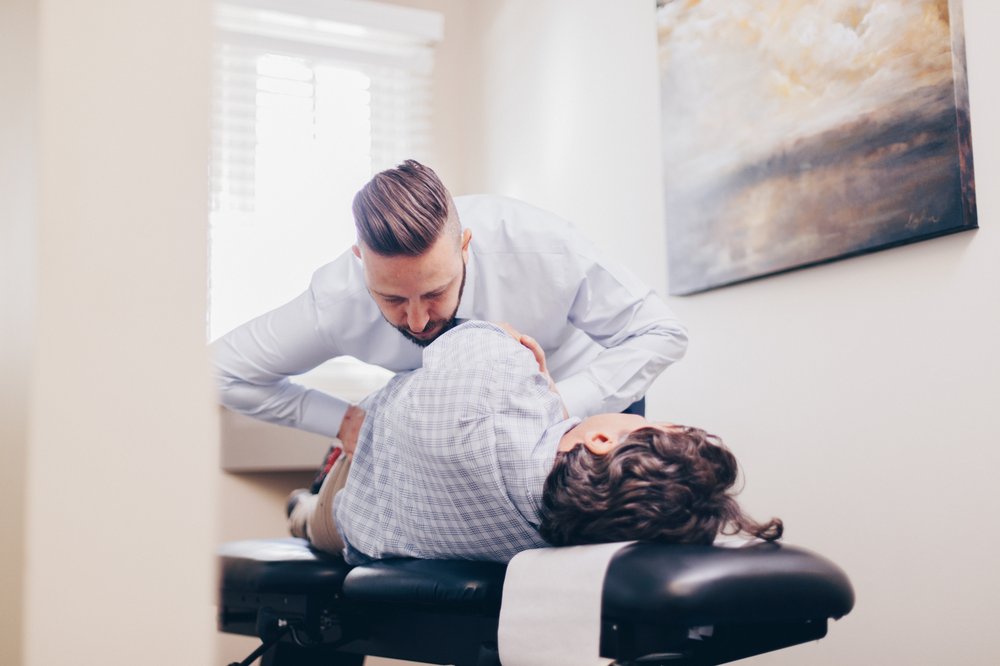
Early care usually focuses on calming symptoms and restoring safe movement: gentle joint work, soft-tissue therapy, and instruction on positions and activity that help rather than hurt.
As tolerance improves, care shifts toward restoring range of motion and rebuilding strength and endurance in the neck, mid-back and core, so the same tissues handle daily load again.
The final phase is about durability — returning to work, driving, training and lifting without flare-ups, with a short home program you can keep doing on your own.

Documentation, Insurance and Attorneys
Consistent records matter. Dated notes describing your symptoms, objective exam findings, the care provided and your response create a clear picture of what happened and how you progressed.
Auto injury care is commonly handled through medical payments coverage on an auto policy, third-party liability, or health insurance, depending on the situation. Our front desk can explain how your specific case would be handled before you commit to anything.
If you are working with a personal injury attorney, records can be shared with your written authorization. We do not give legal advice; our role is accurate clinical documentation and good care.
Practical Steps in the First Week
Get medically evaluated even if you feel fine. Photograph the vehicles and the scene. Keep the collision report number. Write down symptoms daily, including sleep and work impact. Avoid heavy lifting and long static sitting. Keep gentle movement going — total rest usually prolongs stiffness.
Do not sign a settlement before you know the extent of your injuries. Symptoms that appear a week later are common, and once a claim is closed it is difficult to reopen.
Why Eagle Rock Patients Come to Our Clinic
Flintridge Family Chiropractic is at 4522 Rinetti Lane, La Cañada Flintridge, CA 91011, a short drive from Eagle Rock via Colorado Boulevard and the 134. Four doctors see patients here, and we have cared for Foothill families and athletes for two decades.
We coordinate with primary care physicians, orthopedists and imaging centers when that serves you better, and we will tell you plainly when chiropractic care is not the right tool for your problem.
To ask a question or schedule an evaluation, call (818) 937-2202. Ask about our new patient special when you call.
Frequently Asked Questions
How soon after a car accident should I be seen in Eagle Rock?+
Within a few days is reasonable for most people, and sooner if symptoms are significant. Early evaluation catches injuries that adrenaline is masking and establishes a clear record from the start.
I feel fine. Do I still need an exam?+
Feeling fine is common in the first 24 to 72 hours. A brief evaluation is a low-cost way to confirm nothing is being missed, and it gives you a baseline if symptoms appear later.
Is chiropractic care safe after a collision?+
Care is adapted to what the exam shows. Early on that often means gentle, low-force techniques and soft-tissue work rather than forceful adjusting. Red-flag findings are referred for medical evaluation first.
Will my auto insurance cover this?+
It depends on your policy and the circumstances of the crash. Medical payments coverage, third-party liability and health insurance are all common routes. Call the office and we will walk through your situation before you commit.
How many visits will I need?+
That depends on injury severity, age, prior history and how the first weeks go. Most uncomplicated soft-tissue cases improve meaningfully within several weeks, and you should receive a plan with checkpoints rather than an open-ended commitment.