
Pediatric Chiropractic Near South Pasadena: Questions Parents Should Ask
A practical guide to pediatric chiropractor South Pasadena, including evaluation, safety signs, care options and questions to ask. Call (818) 937-2202.
People in South Pasadena often balance walkable errands, school routines, desk work, and driving through nearby corridors. When pain or restricted movement starts changing those routines, the useful question is not simply whether to see a chiropractor. It is how to find care that begins with a careful examination, explains what is happening, and measures whether the plan is helping. Our office in La Cañada Flintridge serves patients from South Pasadena and the surrounding foothill communities.

The short answer
A good search for pediatric chiropractor South Pasadena should lead to more than a list of claims. Look for an office that explains its examination, personalizes care, measures function, and refers out when a problem needs another kind of clinician. Flintridge Family Chiropractic is located at 4522 Rinetti Lane in La Cañada Flintridge. Call (818) 937-2202 or request a visit to discuss whether an evaluation fits your needs.

Begin with the reason for the visit
Parents commonly seek an evaluation because of posture concerns, sports strain, uneven movement, discomfort after a fall, or questions about how a child moves. Chiropractic care is not a substitute for pediatric medical care. A responsible chiropractor listens to the history, screens for concerns outside the chiropractic scope, and coordinates referral when needed.
For someone managing walkable errands, school routines, desk work, and driving through nearby corridors, recommendations should be realistic enough to use between visits. The aim is steady capacity and confidence, not dependence on passive care or a promise that every symptom has the same cause.

How pediatric evaluation differs
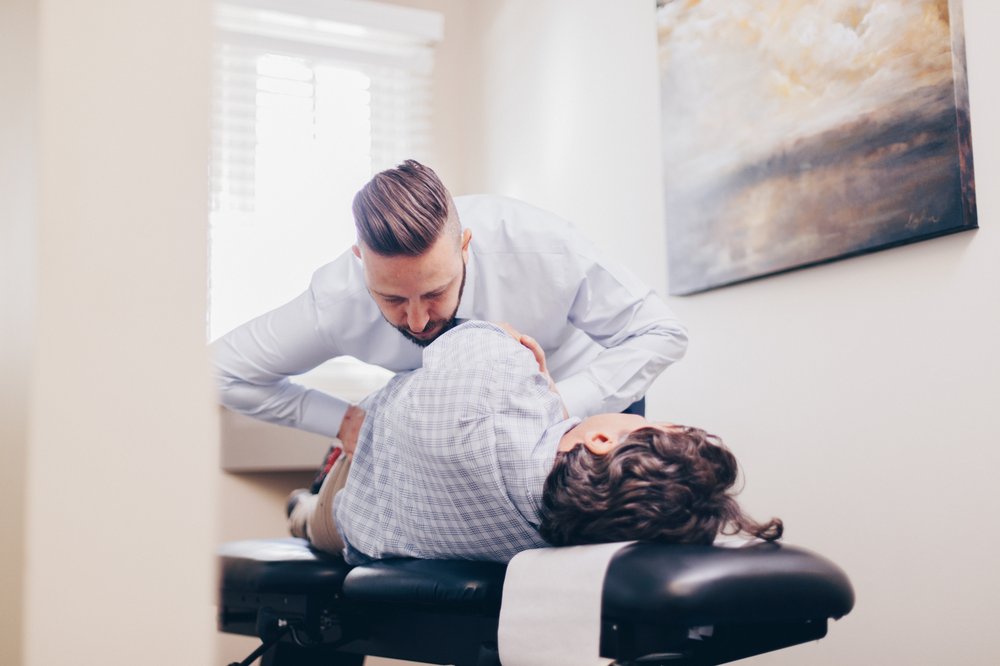
A child’s exam should be age-appropriate and explained to both parent and child. It may include observation of walking, balance, posture, comfortable range of motion, and gentle palpation. The clinician should obtain parental consent, invite questions, and never pressure a child through fear or surprise.
For someone managing walkable errands, school routines, desk work, and driving through nearby corridors, recommendations should be realistic enough to use between visits. The aim is steady capacity and confidence, not dependence on passive care or a promise that every symptom has the same cause.
Questions parents should ask
Ask about pediatric experience, the techniques used, expected force, goals for care, and how progress will be measured. Ask what findings would prompt referral to a pediatrician or another specialist. Parents should receive a clear explanation before any treatment begins.
For someone managing walkable errands, school routines, desk work, and driving through nearby corridors, recommendations should be realistic enough to use between visits. The aim is steady capacity and confidence, not dependence on passive care or a promise that every symptom has the same cause.

School, sports and backpack habits
Growth spurts, long periods at a desk, instrument practice, sports, and heavy backpacks can change how a child feels and moves. Frequent movement breaks, a properly fitted backpack, gradual increases in training, sleep, and recovery remain important regardless of whether care is recommended.
For someone managing walkable errands, school routines, desk work, and driving through nearby corridors, recommendations should be realistic enough to use between visits. The aim is steady capacity and confidence, not dependence on passive care or a promise that every symptom has the same cause.
What a reasonable plan looks like
Plans should respond to the child’s symptoms and function rather than follow an open-ended schedule. A clinician should reassess, document change, and reduce or stop care when goals are met or when the expected improvement is not happening.
For someone managing walkable errands, school routines, desk work, and driving through nearby corridors, recommendations should be realistic enough to use between visits. The aim is steady capacity and confidence, not dependence on passive care or a promise that every symptom has the same cause.
Preparing for the first appointment
Bring a medication list, relevant imaging or reports, dates and details of prior injuries, and notes about what makes symptoms better or worse. Wear clothing that allows comfortable movement. Write down the two or three activities you most want to regain; those goals help make the evaluation and progress checks specific.
How progress is measured
A sound plan uses repeatable measures such as range of motion, strength, symptom distribution, walking or sitting tolerance, sleep, and ability to return to work, childcare, exercise, or sport. If the expected change does not occur, the clinician should reconsider the working diagnosis, adjust the plan, or recommend another provider.
Local care near South Pasadena
Residents searching for pediatric chiropractor South Pasadena can learn more on our related service page and contact our office. We explain findings before care begins, discuss appropriate options, and help patients decide on a practical next step. Call (818) 937-2202 to ask about availability.
Frequently Asked Questions
How do I choose a chiropractor near South Pasadena?+
Look for a careful examination, clear explanations, individualized recommendations, measurable goals, and appropriate referrals. Ask how progress will be reviewed before agreeing to a plan.
Do I need imaging before chiropractic care?+
Not everyone needs imaging. It is most useful when the history, trauma, neurological findings, health risks, or lack of expected improvement suggest the result could change care.
How soon should I expect progress?+
Timing varies by the condition, its duration, overall health, and daily demands. Your clinician should define functional goals and reassess rather than promise a fixed result.
Where is Flintridge Family Chiropractic relative to South Pasadena?+
The office is at 4522 Rinetti Lane in La Cañada Flintridge and serves patients throughout nearby foothill communities. Call (818) 937-2202 for current scheduling information.