
Lower Back and Hip Pain: How Chiropractic Care Helps
How specific chiropractic adjustments, soft-tissue work, and rehab address lower back and hip pain at the source. Serving La Cañada Flintridge, Pasadena, Glen
If you're searching for lower back and hip pain, this guide was written by the doctors at Flintridge Family Chiropractic. We've helped thousands of patients across the Foothills get out of pain — without medication, without surgery, and without endless appointments.
The Short Answer
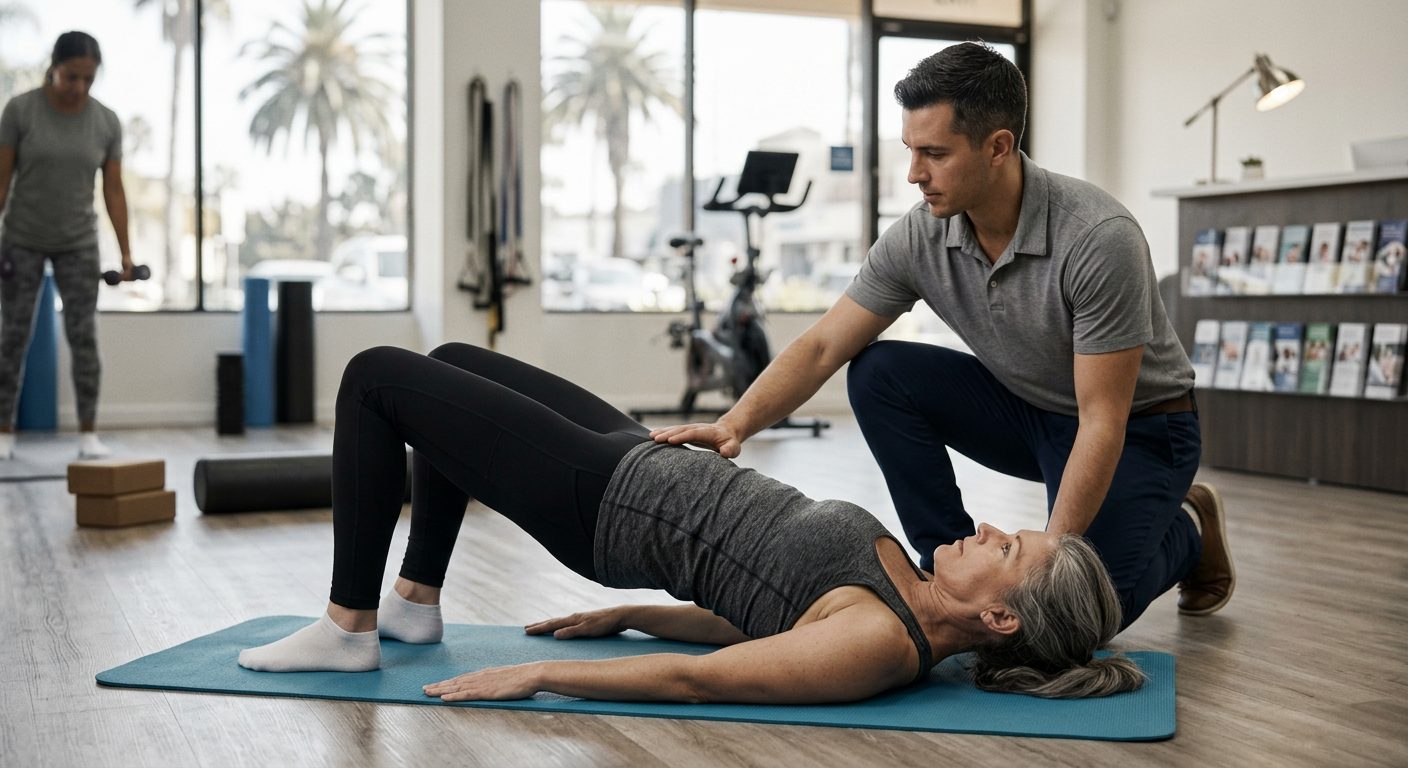
Chiropractic care is one of the most effective, evidence-based first steps for lower back and hip pain. Most patients notice meaningful change within 2–4 visits, and many feel a difference after the very first adjustment. Below is what actually works, what doesn't, and when it's time to be examined.
What's Really Going On
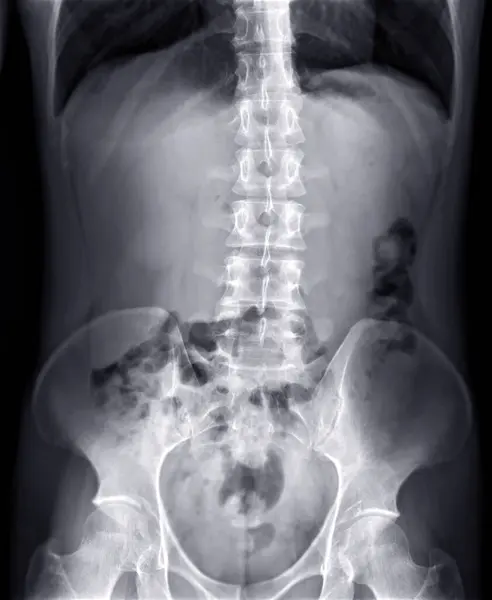
Problems like this rarely appear out of nowhere. Usually it's an accumulation of small mechanical issues — a joint that stopped moving properly weeks or months ago, muscles that tightened to protect it, and inflammation that quietly built up around nearby nerves. Once that pattern locks in, stretching and ice alone won't fully release it. Finding and correcting that mechanical piece is exactly what a chiropractor is trained to do.

Our Approach
- Listen. A real conversation about your history, your pain pattern, and your daily habits.
- Assess. Hands-on orthopedic, neurological, and postural examination.
- Image only if needed. On-site digital X-rays in seconds — no separate radiology visit.
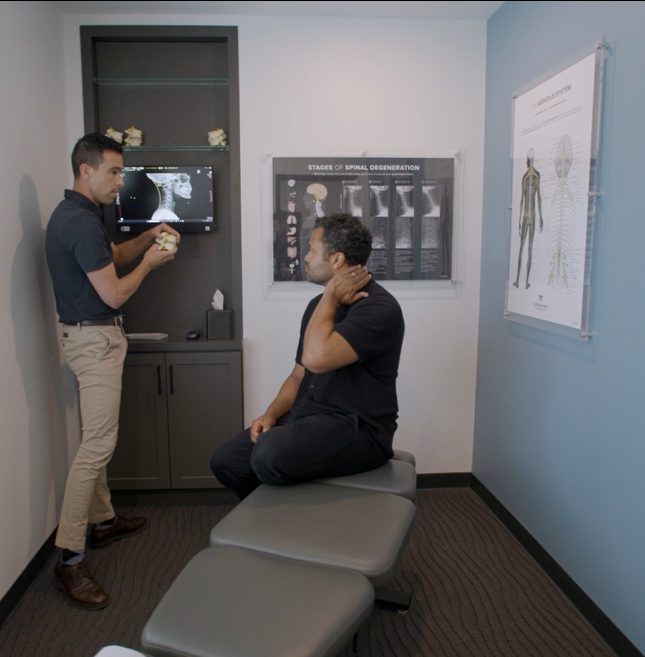
- Explain. We show you what we found in plain English, and exactly what the plan is.
- Adjust and rehab. Specific adjustments paired with soft-tissue work and targeted home exercise.
- Re-check. We measure progress every visit. Care should always be moving you forward.
What the Research Says
Major clinical guidelines — including the American College of Physicians, the Lancet Low Back Pain series, and the Global Spine Care Initiative — recommend spinal manipulation and manual therapy as a first-line, non-drug option before imaging, injections, or surgery for most musculoskeletal complaints.
What You Can Do at Home Right Now
- Move gently and often. Long stretches of sitting or bed rest usually make things worse.
- Ice acute flare-ups, heat chronic tightness. Ten to fifteen minutes at a time.
- Sleep on your back or side — never your stomach. A pillow between or under the knees unloads the low back.
- Hydrate and walk. Joints and discs are nourished by movement.
- Don't push through sharp pain. Sharp, shooting, or numbing symptoms are a signal to be evaluated.
When to Come In
Book an evaluation if you're experiencing any of the following:
- Symptoms lasting more than a week
- Pain that wakes you at night or disrupts sleep
- Numbness, tingling, or weakness anywhere
- Symptoms following a car accident, fall, or sports impact
- Recurring headaches, jaw tension, or dizziness
- Anything that's changing how you move, work, or train
Why Foothills Patients Choose Us
- On-site digital X-rays — your doctor sees the problem instead of guessing.
- Unhurried care — real time with a real doctor, every visit.
- Trusted by pro athletes — team chiropractors for USMNT, USWNT, LAFC and LA Galaxy.
- 50+ years combined clinical experience across four doctors.
- 2,100+ verified five-star Google reviews.
- Same-week — usually same-day — new patient appointments.
- Most PPO insurance accepted.
Serving the Greater Foothills
Flintridge Family Chiropractic is easily reachable from La Cañada Flintridge, Pasadena, Glendale, La Crescenta, Montrose, Altadena, Burbank, Arcadia, Monrovia, Sierra Madre, San Marino, South Pasadena, Sunland, and Tujunga.
Book Your Visit
Call (818) 937-2202 or book online. Ask about our new patient special. New-patient consultations available this week — most PPO insurance accepted.