
Knee Pain in Altadena: Local Symptoms and Care Guide
Understand knee pain in Altadena: symptoms, evaluation, care options, safety signs and local appointments. Call (818) 937-2202.
If you live in Altadena and knee pain is changing how you work, sleep, exercise, or care for your family, the first useful step is understanding the pattern—not guessing at a diagnosis. This local guide explains what commonly contributes to knee pain, what deserves prompt medical attention, and how a careful chiropractic examination can help decide what to do next. Flintridge Family Chiropractic is located at 4522 Rinetti Lane, La Cañada Flintridge, CA 91011, about 10 minutes from Lake Avenue, the foothill trailheads, and the 210 corridor.
The short answer
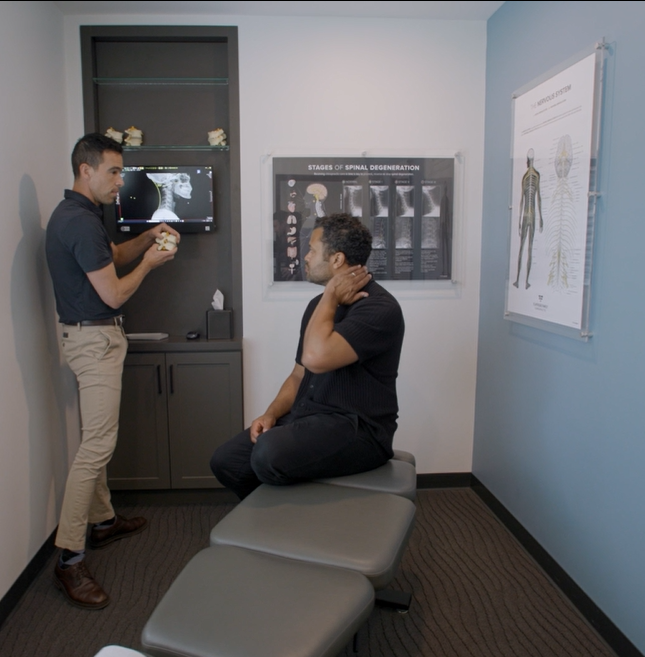
Many cases of knee pain improve when care matches the actual driver. Common contributors include running volume, stairs, squatting, hip control, and footwear changes. The same symptom can come from different tissues, so an examination matters more than choosing a treatment from a checklist. A useful plan should explain what is irritated, what can be changed, and how progress will be measured.
For an appointment near Altadena, call (818) 937-2202 or book a visit. You can also review our knee pain information before your appointment.
Why knee pain can develop
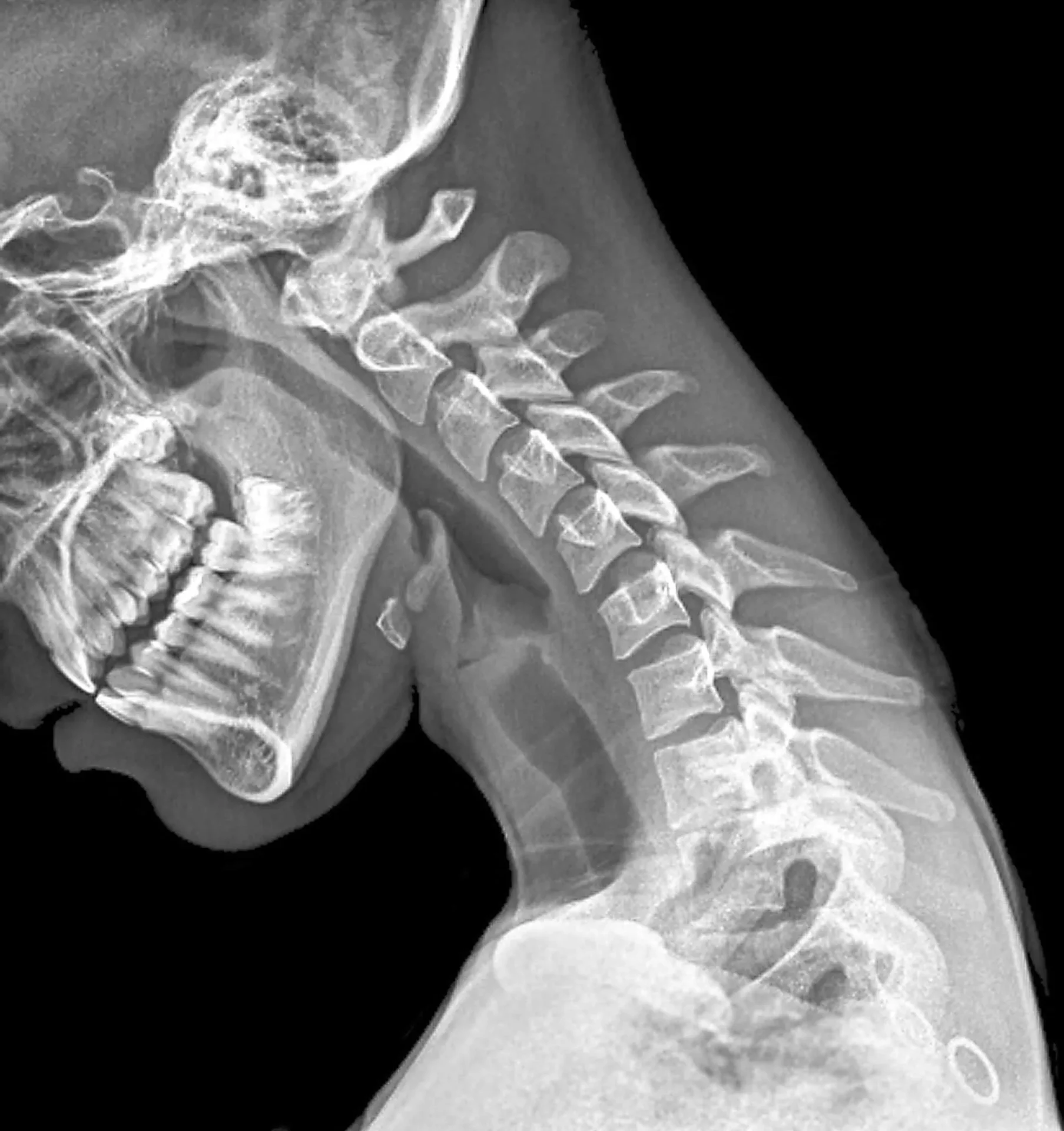
Symptoms rarely have one dramatic cause. More often, a person's weekly demands rise while sleep, movement variety, or recovery falls. For knee pain, we commonly discuss running volume, stairs, squatting, hip control, and footwear changes. These factors do not automatically mean damage. They help explain why a previously comfortable activity may have crossed the body's current tolerance.
The local routine matters too. Time in the car, desk-heavy work, school schedules, hills, trails, gyms, and weekend activities around Altadena can create a sharp difference between weekday movement and weekend load. That difference is often more informative than a single posture or one awkward movement.
Symptoms that help clarify the pattern
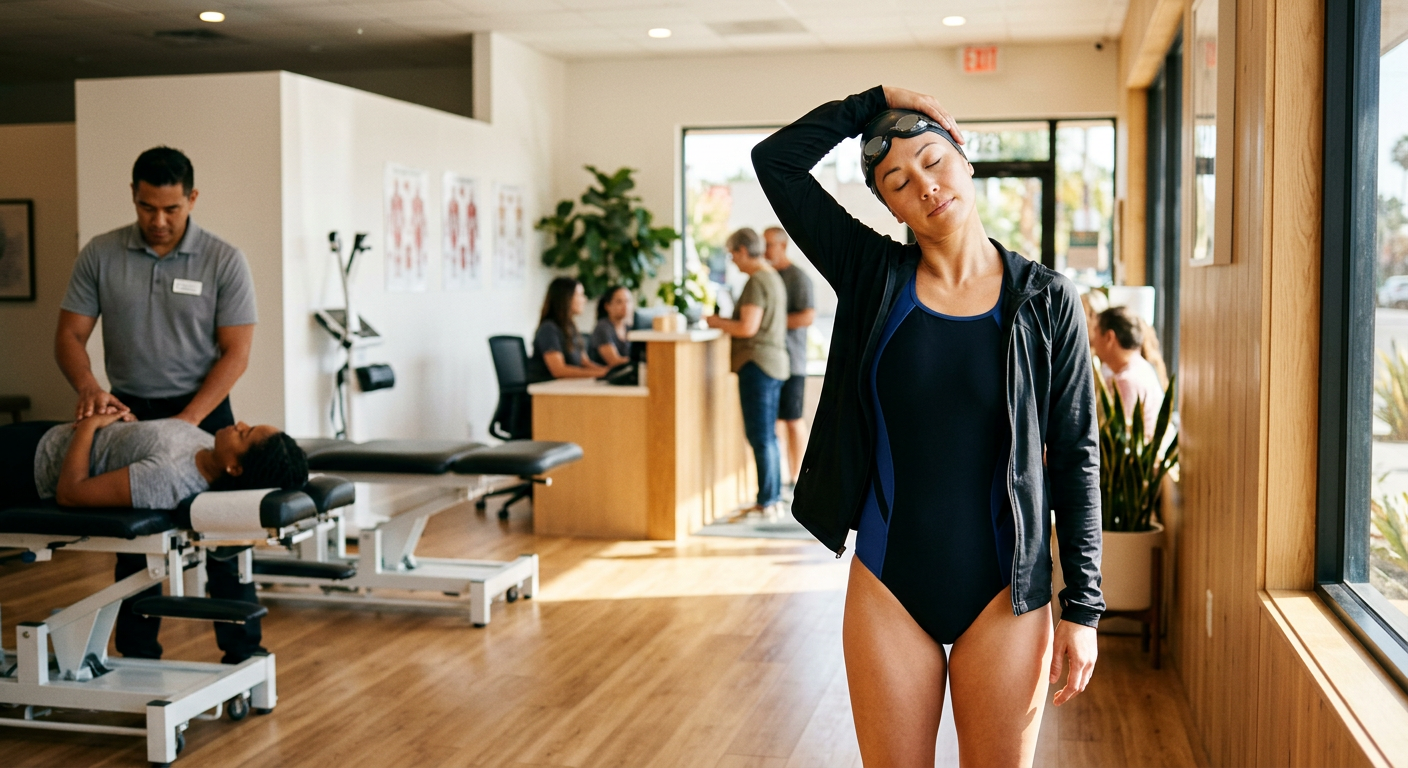
Location is only the beginning. We ask when symptoms appear, how long they last, whether they travel, and what reliably changes them. Morning stiffness can suggest a different loading pattern than discomfort that builds after a full workday. Symptoms that settle with gentle movement tell a different story than symptoms that intensify with every step.
Useful details include whether sleep is interrupted, whether there is numbness or weakness, whether coughing or sneezing changes symptoms, and whether a recent illness, fall, collision, training increase, or medication change came first. Bring those details to the appointment; they often shorten the path to a sensible plan.

What a focused examination includes
A first visit starts with the history and the activities you want to return to. For knee pain, the examination may include squatting, stairs, walking, knee motion, hip strength, foot control, and swelling. Not every test is necessary for every person. The goal is to reproduce the relevant symptom safely, compare sides, and identify findings that would change care.
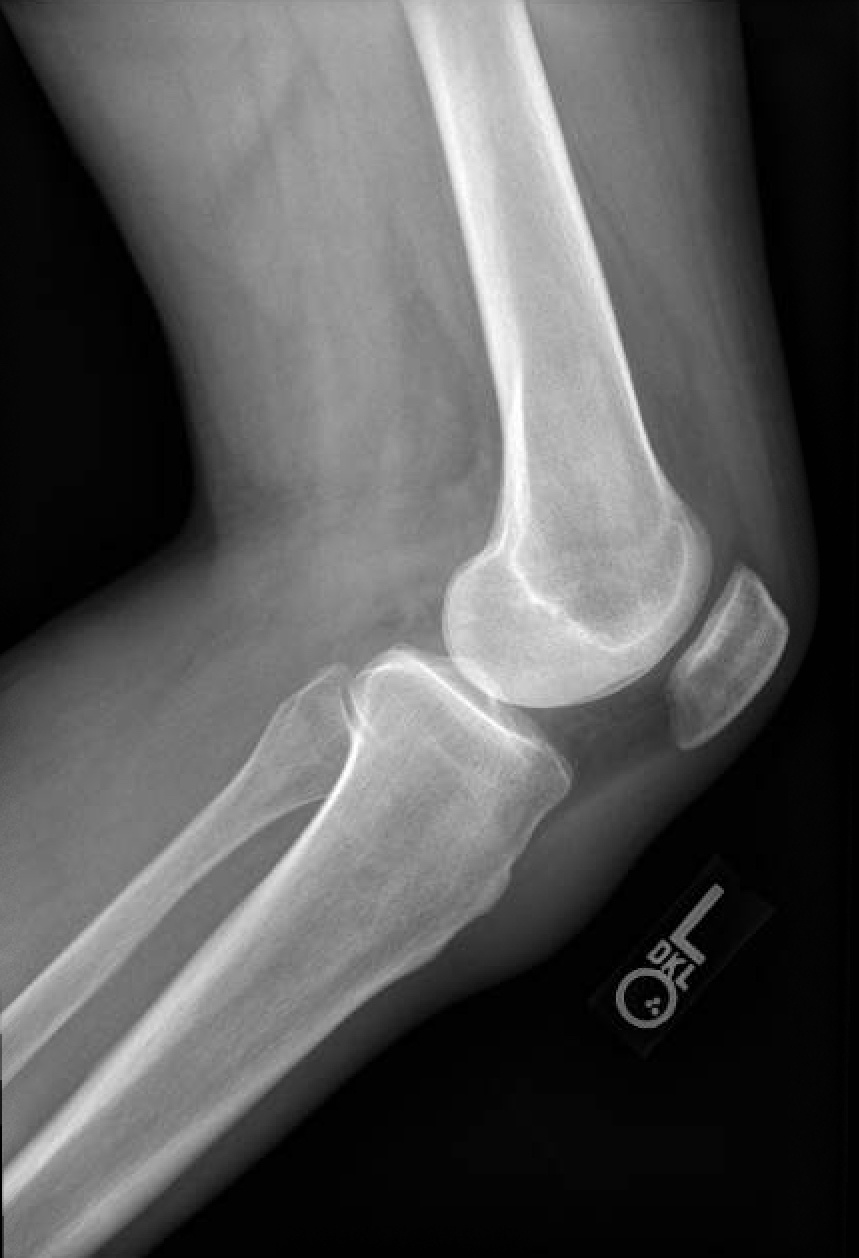
X-rays or other imaging are not automatic. They are considered when trauma, progressive neurological changes, severe night pain, significant health history, or an unexpected lack of progress makes the result likely to change the plan. Existing images are useful to bring, but a scan should be interpreted alongside the examination rather than in isolation.
What conservative care may include
When chiropractic care is appropriate, the plan may combine specific joint adjustments, low-force techniques, mobility work, and progressive exercise. The exact mix depends on age, comfort, irritability, bone health, pregnancy, prior surgery, and examination findings. Treatment should never be identical for every patient with the same label.
Early visits usually aim to make movement more comfortable and daily symptoms more predictable. As tolerance improves, exercise becomes more important: restoring strength, control, and confidence for the tasks that matter. Visit frequency should taper as self-management grows. If objective function is not changing, the plan should be reconsidered rather than repeated indefinitely.
What you can do this week
- Change position regularly instead of trying to hold one “perfect” posture.
- Keep comfortable activity in the day; complete rest usually lowers tolerance.
- Reduce the single activity that causes the largest flare, then reintroduce it gradually.
- Protect sleep and use a short daily walk as a baseline when walking is comfortable.
- Track one meaningful task, such as sleep, stairs, driving, lifting, or exercise, instead of watching pain alone.
A realistic view of recovery
Recovery from knee pain is rarely a straight line. A good early sign may be sleeping longer, moving farther, or having shorter flares before pain intensity changes. Straightforward mechanical cases often show a meaningful response within a few weeks, but duration, nerve involvement, health history, consistency, and daily load all affect timing.
No responsible article can promise a visit count. The better standard is a clear checkpoint: what should improve, by when, and what happens if it does not. Referral, imaging, or a different type of care is appropriate when the findings point outside a chiropractic scope or progress does not match expectations.
When not to wait
Seek urgent medical evaluation for new loss of bladder or bowel control, numbness in the saddle area, rapidly progressing weakness, fainting, severe unrelenting headache, fever with spinal pain, chest pain, signs of stroke, or symptoms after significant trauma. Children, pregnant patients, and older adults may need different thresholds based on their history. When uncertain, call emergency services or an appropriate medical professional.
Choosing care near Altadena
Look for a provider who explains the working diagnosis in plain language, checks for warning signs, sets measurable goals, and gives you something useful to do between visits. Ask what should change in the first few weeks and what the alternative plan will be if it does not. Our practice page explains how we serve Altadena patients, and our contact page has appointment options and directions.
Our office is at 4522 Rinetti Lane, La Cañada Flintridge, CA 91011, about 10 minutes from Lake Avenue, the foothill trailheads, and the 210 corridor. Call (818) 937-2202 to ask about the current new-patient special or request an appointment.
Frequently Asked Questions
Can a chiropractor evaluate knee pain for patients from Altadena?+
Yes. The first step is a history and focused examination to determine whether conservative care is appropriate or referral is safer. Call (818) 937-2202 to discuss an appointment.
How far is the office from Altadena?+
Our office at 4522 Rinetti Lane, La Cañada Flintridge, CA 91011 is about 10 minutes from Lake Avenue, the foothill trailheads, and the 210 corridor, depending on traffic.
Will I need X-rays at the first visit?+
Not automatically. Imaging is considered only when the history or examination suggests it is likely to change the plan.
How long can knee pain take to improve?+
Timelines vary with the diagnosis, duration, nerve involvement, health history, daily load, and consistency. A good plan uses early functional checkpoints and changes course if progress is not occurring.