
Is it Safe to Take a Child to a Chiropractor? An Honest Answer From Foothill Chiropractors
Chiropractic care is safe for the large majority of patients when a proper examination comes first. The common reaction is mild soreness for a day or...
If you have typed “is it safe to take a child to a chiropractor” into a search bar, you want a clear answer rather than a sales pitch. This guide gives you one, written by the doctors at Flintridge Family Chiropractic in La Cañada Flintridge — a four-doctor family practice that has cared for Foothill families, desk workers, weekend athletes and professional players for more than two decades.

The Short Answer
Chiropractic care is safe for the large majority of patients when a proper examination comes first. The common reaction is mild soreness for a day or two; serious complications are rare, and the situations that call for caution — significant osteoporosis, fracture, infection, tumor, progressive neurological deficit — are exactly what the screening examination exists to find.
Below we unpack that answer properly: what the profession actually is, what the evidence supports, where the honest limits are, and how to decide what to do next.
Risk, Stated Plainly
The common side effect is soreness. Roughly one in three patients feels achy or tired for twelve to forty-eight hours after a first adjustment, similar to the day after starting a new workout. It fades, and it is not a sign of damage.
Serious complications are rare. The most discussed is cervical artery dissection associated with neck manipulation; large population studies have found the association is very small and that patients presenting with neck pain and headache from an artery already tearing are just as likely to have visited a primary care physician first. Rare does not mean zero, which is why screening matters.
Care should be modified or avoided when there is significant osteoporosis, inflammatory arthritis affecting the upper neck, an unstable fracture, bone infection or tumor, an unexplained neurological deficit, cauda equina symptoms, or an unmanaged bleeding disorder. A competent chiropractor screens for all of it before touching you, and chooses a low-force technique or refers out if the screen raises a flag.
Go to an emergency department, not a chiropractor, for sudden worst-ever headache, slurred speech, facial droop, double vision, loss of bowel or bladder control, saddle numbness, progressive limb weakness, unexplained weight loss with night pain, or fever with spinal pain.

What A Chiropractor Actually Is
A chiropractor holds a Doctor of Chiropractic (D.C.) degree. In the United States that means a four-year, accredited doctoral program that follows undergraduate prerequisites, covering anatomy, physiology, neurology, pathology, radiology, orthopedics, biomechanics, diagnosis and hands-on technique. Graduates must pass national board examinations administered by the National Board of Chiropractic Examiners and hold a state license to practice.
Chiropractors are licensed in all fifty states and are recognized as portal-of-entry providers, which means in California you can see one directly without a referral. They are trained to diagnose, to take and read their own X-rays, to treat musculoskeletal problems conservatively, and — just as importantly — to recognize what is not theirs to treat and refer it out.
What a chiropractor is not: a medical doctor (M.D.) or osteopathic physician (D.O.). Chiropractors do not attend medical school, do not complete medical residencies, do not perform surgery, and in almost every state do not prescribe pharmaceuticals. Anyone who blurs that line is doing you a disservice.
What The Evidence Actually Supports
Honest summary, without cheerleading:
- Strongest support: acute and chronic low back pain, where spinal manipulative therapy appears in clinical guidelines from bodies including the American College of Physicians as a recommended non-drug first-line option.
- Good support: neck pain and cervicogenic headache, especially when manual therapy is combined with exercise rather than used alone.
- Reasonable support: thoracic and rib pain, some shoulder and hip mechanical problems, sciatica of mechanical origin, and whiplash-associated disorders.
- Weak or absent support: claims that adjustments treat organ disease, allergies, infections, immune function or blood pressure as a primary therapy. If a clinic sells that, be skeptical.
The pattern in the research is consistent: manual therapy plus active rehabilitation beats manual therapy alone, and both beat rest. That is exactly how care is structured in this office.
What A First Visit Looks Like
- History. What happened, when, what makes it worse, what you have already tried, your medical history and medications.
- Examination. Posture, range of motion, orthopedic tests, neurological screening — reflexes, muscle strength, sensation — and palpation of the joints and soft tissue.
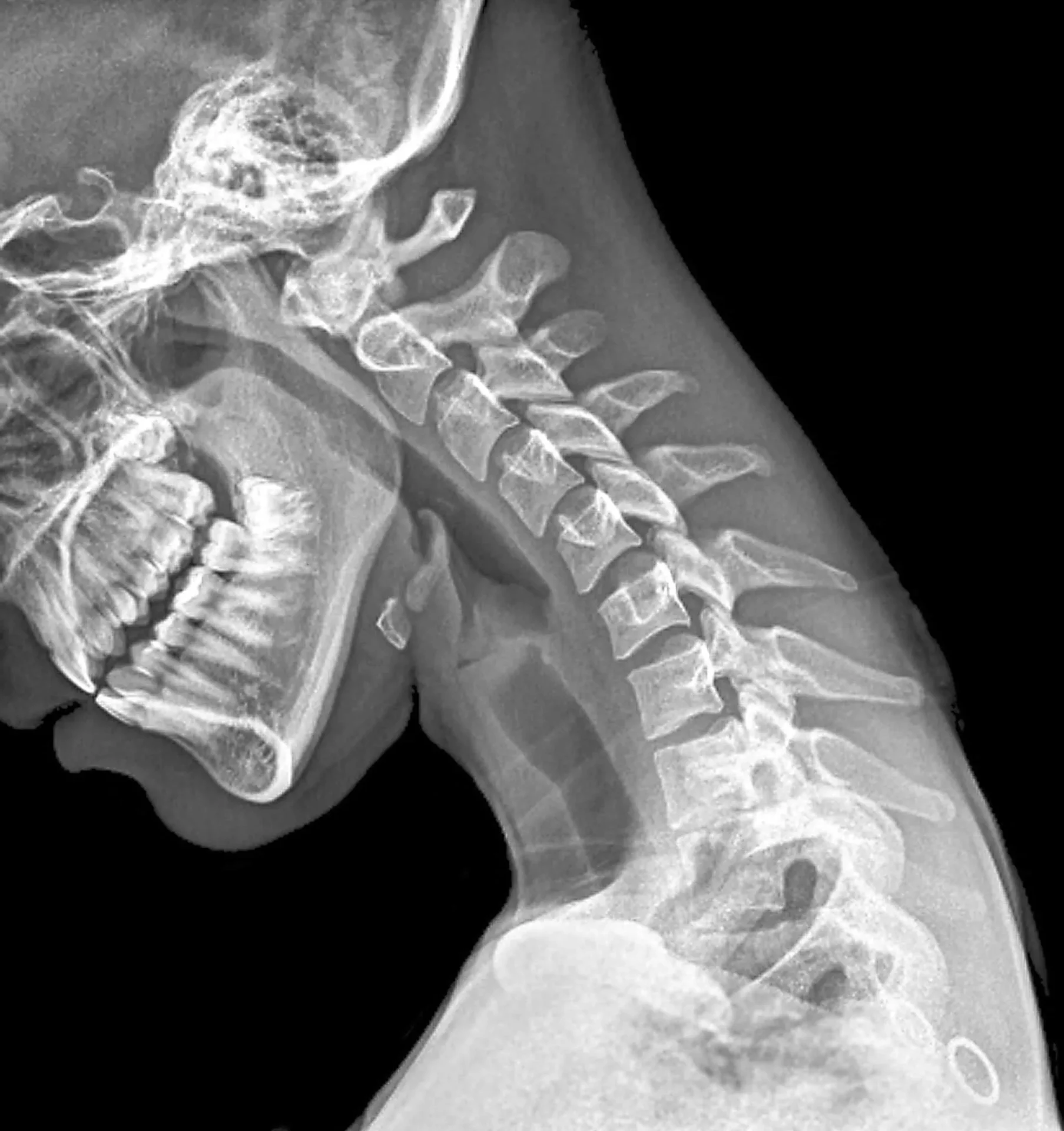
- Imaging if indicated. Digital X-ray on site when history or examination suggests something structural would change the plan. Not everybody needs it.
- Report of findings. In plain language: what is wrong, what we can do, how long it should take, and what would make us send you elsewhere.
- Treatment. Usually the same day if it is appropriate.
Wear comfortable clothing you can move in — leggings, athletic shorts, a t-shirt. Jeans with thick seams and belts make examination harder. You are not asked to undress; a gown is offered only when a region cannot otherwise be assessed, and you can always request a chaperone. Plan on forty-five to sixty minutes for the first visit and ten to twenty for follow-ups.
How To Choose Well (And Spot A Bad Fit)
Good signs:
- Takes a history and performs a real neurological and orthopedic examination before treating.
- Explains findings in plain language and gives a timeline with an endpoint.
- Uses exercise and self-care alongside hands-on care.
- Refers out when appropriate and says so without ego.
- Publishes fees and re-examines to decide whether to continue.
Warning signs:
- A multi-year contract or a large prepayment demanded on day one.
- X-rays for everyone regardless of history, or fear-based interpretation of normal age-related changes.
- Claims to treat organ disease, allergies or immune conditions with adjustments.
- No examination, no re-examination, no discharge plan.
- Pressure to bring in your whole family before you have improved.
You can change providers at any time, and you can request copies of your records and imaging.
What You Can Do This Week
- Move often. Whatever hurts, total stillness usually makes it worse after the first day or two.
- Walk ten to twenty minutes twice a day; it is the most reliable free treatment for spinal pain.
- Break up sitting every thirty minutes — stand, extend, roll the shoulders back.
- Set the screen at eye height and bring the phone up instead of dropping your head down.
- Sleep on your back or side, with pillow height that keeps your ears in line with your shoulders.
- Load the area gently rather than bracing it: hip hinges, glute bridges, chin tucks, band rows.
- Use heat for stiffness, ice for a fresh, angry injury in the first forty-eight hours.
None of this replaces an examination, but all of it helps, and none of it costs anything.
Local Notes For The Foothills
We see a specific mix in La Cañada Flintridge and the surrounding communities: JPL and studio professionals with desk-driven neck pain, high-school and club athletes from La Cañada, Crescenta Valley and St. Francis, hikers and cyclists off the Angeles Crest and Arroyo, gardeners and parents lifting kids and boxes, and drivers hurt on the 210 and Foothill Boulevard. If you are coming from Pasadena, Glendale, Altadena, Montrose, Sunland-Tujunga, Burbank or Sierra Madre, we are ten to twenty minutes away with parking at the door.
Talk To A Real Doctor About It
If you want a straight answer about your own back, neck or joint, call (818) 937-2202 or stop by 1809 Verdugo Blvd, Suite 150, La Cañada Flintridge. Flintridge Family Chiropractic has served La Cañada Flintridge, Pasadena, Glendale, Altadena, Montrose and the surrounding Foothill communities for over twenty years. Four doctors, digital X-ray on site, and a written plan on your first visit. Ask about our new patient special when you call.
This article is general education, not medical advice for your specific situation. An examination is what turns general information into a plan.
Frequently Asked Questions
Is soreness after an adjustment normal?+
Yes. Mild soreness or fatigue for twelve to forty-eight hours is the most common reaction and resolves on its own. Sharp new pain, numbness or weakness is not normal and should be reported immediately.
Do I need a referral to see a chiropractor?+
No. Chiropractors are primary-contact providers in California, so you can book directly. Some HMO plans require a referral for coverage even though the law does not, so check your plan.
Does an adjustment hurt?+
Usually not. Most patients describe pressure and a release. Inflamed areas can be tender, and there are low-force options for anyone who is sensitive or nervous.
How many visits will I need?+
Most people notice a real change in two to four visits. Acute problems commonly settle in two to four weeks; long-standing or nerve-involved cases usually take six to twelve weeks with a home program.
Do you take insurance?+
We accept most major plans and verify your benefits before treatment begins. If you are paying out of pocket, ask about the new patient special when you call (818) 937-2202.
Will I be locked into a long treatment plan?+
No. We re-examine, we tell you when you are done, and we do not sell multi-year contracts.