
Glendale Family Chiropractic: A Guide for Local Families
Discover the benefits of family chiropractic care in Glendale, CA. Learn when to seek treatment, what to expect, and how it can help your family.
Life in Glendale, California, is vibrant and full. From the bustling shops at Americana at Brand to the serene hiking trails in the Verdugo Mountains, families here are always on the go. While we embrace this active lifestyle, it's easy to overlook the subtle signs that our bodies might need a little extra support. This is where family chiropractic care comes in—not just for adults, but for children and infants too, offering a holistic approach to health that keeps your family functioning at its best.
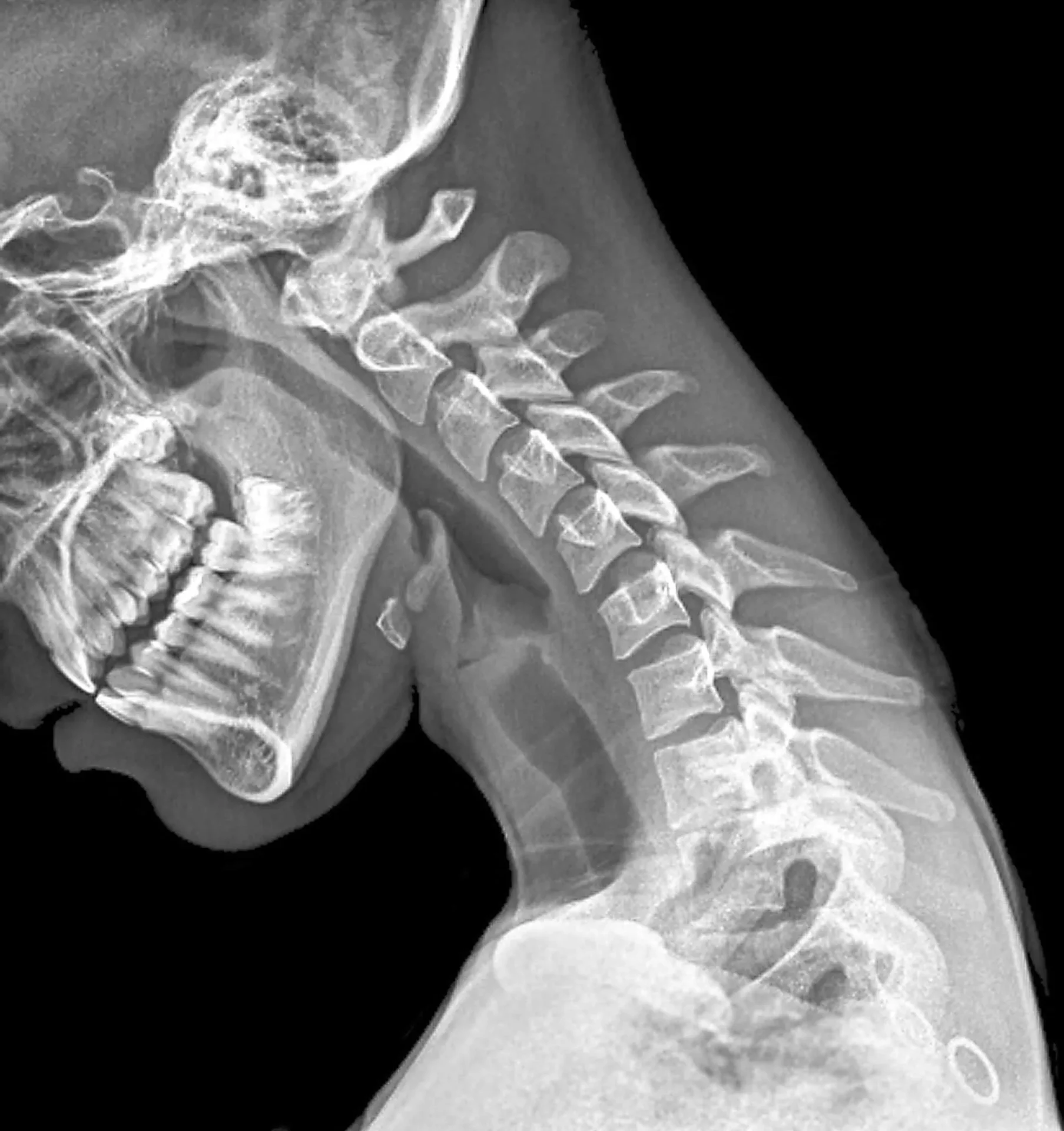
The Foundation of Family Chiropractic
Family chiropractic care isn't just about addressing back pain; it's about promoting overall nervous system health, which is the control center for every function in your body. When the spine is properly aligned, the nervous system can communicate effectively, leading to improved health, better movement, and enhanced well-being for every member of your family, from newborns to grandparents. In Glendale, family chiropractic is becoming an increasingly popular choice for proactive health management.
Why Chiropractic for the Whole Family?
Each stage of life presents unique physical stresses. For infants, the birthing process itself can cause spinal misalignments. Children face tumbles, heavy backpacks, and hours spent looking down at screens. Adults juggle work, family responsibilities, and the demands of daily life, often leading to poor posture and chronic stress. A family chiropractor understands these diverse needs and provides tailored care to support spinal health and nervous system function throughout life.

Symptoms and Signs to Watch For
Recognizing when a family member might benefit from chiropractic care often involves observing subtle cues. It’s not always about debilitating pain; sometimes, it’s about a persistent discomfort or a change in function. Keeping an eye out for these signs can help you seek timely care and prevent minor issues from becoming larger problems.
In Infants and Young Children
- Persistent Colic or Irritability: While colic can have various causes, spinal misalignments can contribute to discomfort and difficulty soothing.
- Difficulty Breastfeeding on One Side: This can indicate neck or jaw restrictions that make nursing uncomfortable for the baby.
- Asymmetrical Head Shape (Plagiocephaly): Sometimes related to constantly sleeping in one position due to neck stiffness.
- Delayed Milestones: While many factors contribute, spinal issues can affect motor development and coordination.
- Frequent Ear Infections: Misalignments in the upper neck can sometimes impact Eustachian tube drainage.
- Poor Posture: Observe how your child sits, stands, and walks. Any persistent slumping or unevenness can be a sign.
In Older Children and Teenagers
- Back or Neck Pain: This is increasingly common in school-aged children due to heavy backpacks, prolonged sitting, and screen time.
- Headaches: Tension headaches and migraines can often be linked to neck and spinal issues.
- Poor Posture: Slouching, rounded shoulders, or uneven hips can be indicative of spinal imbalances.
- Limited Range of Motion: Difficulty turning the head fully or bending without stiffness.
- Sports Injuries: Repetitive movements or impacts from sports can lead to spinal misalignments, affecting performance and increasing injury risk.
- Difficulty Concentrating and Restlessness: While not solely chiropractic issues, proper nervous system function can impact overall well-being and focus.
In Adults
- Chronic Back or Neck Pain: Persistent pain that doesn't resolve on its own.
- Stiffness and Reduced Flexibility: Difficulty with everyday movements or feeling less limber.
- Headaches and Migraines: Often originating from tension in the neck and shoulders.
- Sciatica or Numbness/Tingling in Limbs: These symptoms can indicate nerve compression due to spinal issues.
- Fatigue: When the body is constantly compensating for misalignments, it can lead to chronic tiredness.
- Poor Posture: Especially common for those with desk jobs or repetitive tasks.
- Joint Pain: Beyond the spine, chiropractic care can help with hip, knee, and shoulder joint issues.
- Stress and Anxiety: While not directly treating stress, a well-functioning nervous system can better adapt to stressors.

When to See a Chiropractor in Glendale
Deciding when to seek chiropractic care can sometimes feel unclear. It