
Understanding the Atlas & Axis Vertebrae: C1 & C2 Anatomy
Explore the intricate anatomy and crucial functions of the atlas (C1) and axis (C2) vertebrae. Learn about their role in head movement and overall cervical spine health.
The human spine is a marvel of engineering, a complex structure that provides support, flexibility, and protection for the spinal cord. Among its many intricate components, the first two cervical vertebrae, known as the atlas (C1) and the axis (C2), hold a particularly distinguished and vital role. Located at the very top of the spinal column, directly beneath the skull, these unique bones are responsible for an incredible range of head movements and play a critical part in our overall neurological health. For residents across La Cañada Flintridge, Pasadena, Glendale, and beyond, understanding the specific functions and neck pain of these vertebrae is key to appreciating the intricacies of spinal health.
The Atlas Vertebra (C1): Supporting the World
The atlas vertebrae, or cervical atlas, is named after the Titan Atlas from Greek mythology, who was condemned to hold up the sky. This naming is incredibly fitting, as the C1 vertebra is literally responsible for supporting the weight of the head. Unlike other vertebrae, the atlas on spine lacks a vertebral body and a spinous process, presenting a unique ring-like structure.
Its distinct anatomical features include two lateral masses connected by anterior and posterior arches. The superior articular facets on these lateral masses are kidney-shaped and concave, designed to articulate with the occipital condyles of the skull. This specific articulation allows for the nodding motion of the head, as if saying 'yes'. The atlas cervical spine serves as a crucial bridge between the skull and the rest of the spine.
Because of its direct connection to the skull and the brainstem, proper alignment of the atlas vertebrae is paramount. Even slight misalignments can potentially impact neurological function, affecting everything from balance to nerve signaling. At Flintridge Family Chiropractic, we understand the delicate nature of the atlas and its profound impact on your well-being, serving our community from La Cañada to Altadena since 2003.
The Axis Vertebra (C2): The Pivot Point of Movement
Immediately inferior to the atlas is the axis vertebra, or axis neck bone. This vertebra is equally unique and vital to head movement, particularly rotation. The most distinguishing feature of the axis is its prominent bony projection called the dens, or odontoid process, which extends superiorly from its body.
The dens of the axis fits into the anterior arch of the atlas, forming a pivot joint. This specialized atlas to axis joint is what allows the head to rotate from side to side, enabling us to shake our heads 'no'. The axis bone function is primarily rotational, making it an indispensable component for everyday movements like checking your blind spot on the 210 freeway or admiring the beauty of Descanso Gardens.
Another critical feature of the axis is its superior articular facet of axis, which articulates with the inferior articular facets of the atlas. This intricate connection between the atlas and axis function together to create a wide range of motion. Understanding the C2 neck pain, particularly the robust nature of the dens, highlights its importance in stabilizing the head during these rotational movements.
The Unique Anatomy of C1 and C2: Atlas C1 Anatomy and Axis Spine Anatomy
When comparing axis vs atlas, it's clear they are distinctly different in structure yet perfectly complementary in function. The C1 neck pain, as discussed, is characterized by its lack of a body and its ring-like appearance, perfectly cradling the skull. The atlas vertebrae diagram often illustrates its elegant, open design.
In contrast, the axis spine neck pain is defined by the presence of the dens, which acts as a central pivot. This structural difference ensures that while the atlas supports and facilitates flexion/extension, the axis provides the necessary mechanics for rotation. Together, they form a highly specialized and robust joint complex.
The ligaments connecting these two vertebrae, such as the transverse ligament of the atlas, are incredibly strong and play a vital role in maintaining the stability of the atlas to axis joint. These ligaments prevent excessive movement of the dens, safeguarding the spinal cord from potential injury. This intricate ligamentous support is a testament to the critical nature of these upper cervical bones.
Function and Importance of the Atlas and Axis Function
The primary function of the atlas and axis is to allow for the extensive range of motion of the head. Without the specialized design of these two vertebrae, our ability to look up, down, and side to side would be severely limited. The atlas on spine bears the direct weight of the skull and facilitates flexion and extension, while the axis with its dens acts as the rotational pivot.
Beyond just movement, the atlas cervical spine and the axis play a crucial role in protecting the brainstem and upper spinal cord, which are vital for transmitting signals between the brain and the rest of the body. Any misalignment in this area, sometimes referred to as 'upper cervical dysfunction,' can potentially affect nerve function and lead to a variety of symptoms.
Maintaining the proper alignment and health of the atlas and axis is therefore fundamental to overall well-being. This is why a patient-first approach, as practiced at Flintridge Family Chiropractic, is so important for those seeking care from Glendale to Burbank, ensuring that these critical structures are addressed with expert attention.
Potential Issues and Chiropractic Care for C1 and C2
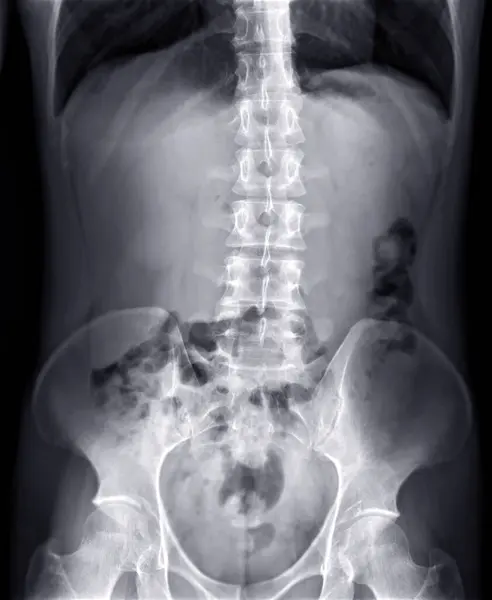
Given their pivotal role, the atlas and axis can be susceptible to misalignments from various sources, including everyday stresses, poor posture, or specific incidents. Even minor shifts in the position of the atlas vertebrae or the axis neck bone can affect neurological pathways and biomechanical function, leading to symptoms such as headaches, neck pain, dizziness, or even issues further down the spine.
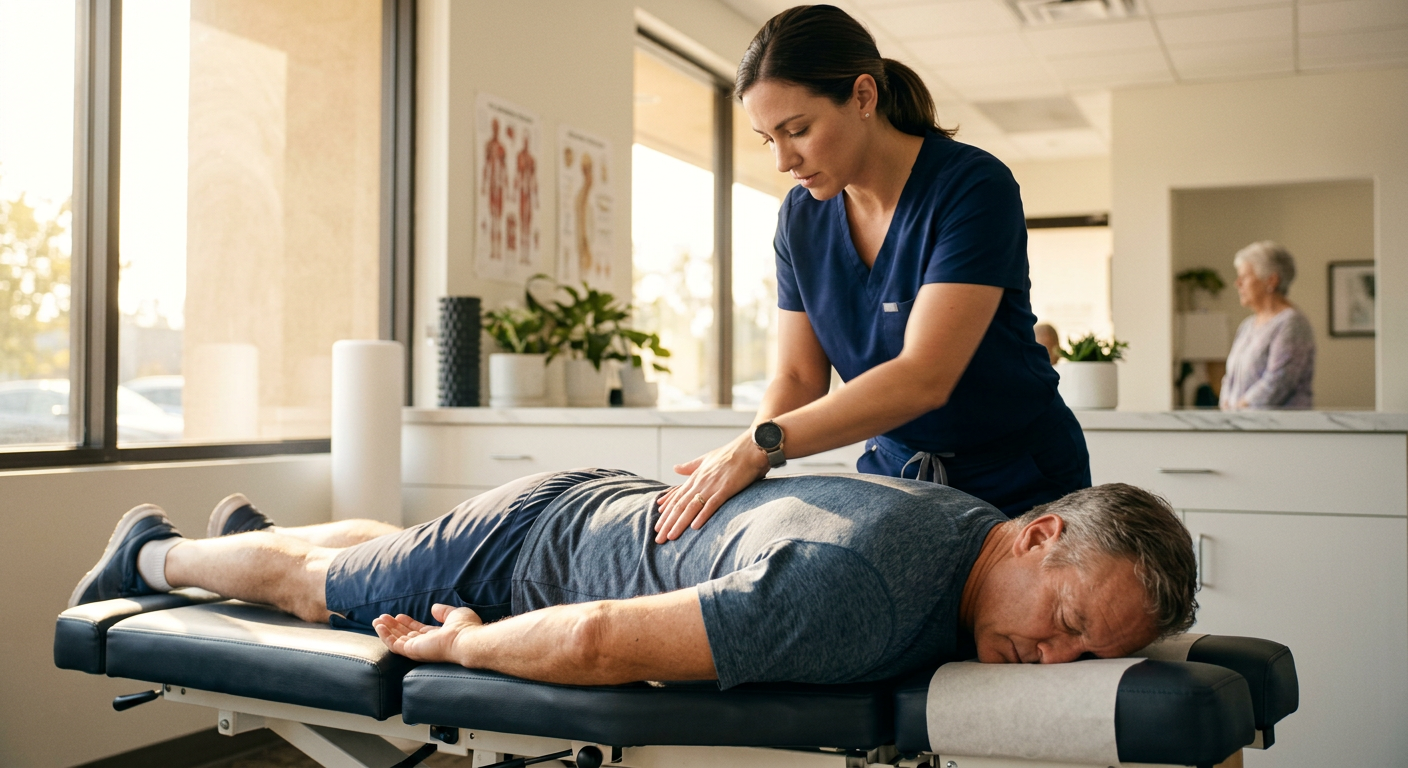
Chiropractic care focuses on the precise identification and correction of these misalignments, known as vertebral subluxations. Through gentle, specific manual adjustments, chiropractors aim to restore proper alignment and motion to the atlas to axis joint and surrounding structures. This helps the body's innate ability to heal and function optimally.
At Flintridge Family Chiropractic, serving the greater LA area including Pasadena and Arcadia since 2003, our experienced team understands the delicate nature of the upper cervical spine. We utilize careful, expert techniques to address issues related to the atlas and axis, always with your comfort and well-being as our top priority. We're right here, not far from JPL, ready to help you navigate your path to better health.
The Connection to Overall Spinal Health
While the atlas and axis are at the very top of the spine, their health and alignment have a ripple effect on the entire spinal column. When the atlas cervical spine is properly aligned, it helps to ensure that the rest of the vertebrae below can also maintain their correct positioning. Conversely, a misalignment in C1 or C2 can often lead to compensatory curves and stress further down the neck and back.
Think of it as the foundation of a building; if the foundation is off, the entire structure can be compromised. Similarly, the atlas on spine provides the critical base for the rest of your spinal structure. Addressing issues at this foundational level can significantly impact overall spinal health and reduce strain on other areas of the body.
Our approach at Flintridge Family Chiropractic considers the interconnectedness of your entire spine. We don't just look at the site of pain, but rather assess how the atlas and axis influence your overall posture and spinal mechanics, offering comprehensive care that residents of the Foothills communities rely on.
Frequently Asked Questions
What is the main difference between the atlas and axis?
The primary difference lies in their structure and primary function. The atlas (C1) is ring-shaped, lacks a body, and supports the skull, facilitating nodding movements. The axis (C2) has a prominent bony projection called the dens, around which the atlas rotates, enabling side-to-side head movements. They work together for comprehensive head mobility.
Why are the atlas and axis so important?
The atlas and axis are crucial because they allow for the extensive range of motion of the head, protecting the delicate brainstem and upper spinal cord. Their proper alignment is vital for neurological function, balance, and overall spinal health, impacting everything from basic movements to complex bodily processes.
Can problems with the atlas and axis cause headaches?
Yes, misalignments or dysfunction in the atlas and axis can very frequently contribute to various types of headaches, including tension headaches and migraines. These misalignments can irritate nerves and muscles in the upper neck, leading to referred pain in the head. This is why addressing the cervical atlas and axis bone function can be so effective for headache relief.
How does a chiropractor adjust the atlas and axis?
Chiropractors use gentle, specific manual adjustments to correct misalignments in the atlas and axis. These adjustments are carefully tailored to the individual's neck pain and are designed to restore proper joint motion and reduce nerve interference. The techniques are precise and focused on the C1 neck pain and C2 neck pain to ensure safety and effectiveness.
Is the atlas to axis joint stable?
Despite allowing for significant movement, the atlas to axis joint is remarkably stable due to a complex network of strong ligaments, particularly the transverse ligament. These ligaments firmly hold the dens of the axis against the anterior arch of the atlas, preventing excessive motion and protecting the spinal cord.
What This Guide Covers
This is the long version. Below you will find the neck pain behind neck pain, the mechanisms that actually produce the symptom, three self-tests you can run at home in the next ten minutes, a structured fourteen-day self-care protocol, a full exercise progression with sets and repetitions, the warning signs that mean you should be examined rather than self-treating, and an honest description of what care looks like at a chiropractic office — including the situations where chiropractic is not the right first stop.
We wrote it this way on purpose. Most articles on neck pain give you four paragraphs and a booking link. Patients who understand the mechanism of their own problem tend to follow through on the parts that matter — the daily exercises, the sleep setup, the load management — and follow-through is the single largest predictor of whether the improvement holds after care ends.
Two notes before you start. First, none of this replaces an examination; general information cannot rule out the handful of serious conditions that mimic ordinary musculoskeletal pain. Second, if any of the red flags listed later in this guide apply to you, stop reading and get evaluated the same day.
The Anatomy Behind Neck Pain
Seven cervical vertebrae stack between your skull and your upper back. Between each pair sit two small facet joints — cartilage-lined hinges about the size of a fingernail — plus a disc in front and a pair of nerve roots exiting on either side. Layered over that are the deep neck flexors (longus colli and capitis), the suboccipitals at the base of the skull, levator scapulae running to the shoulder blade, and upper trapezius fanning out toward the shoulder. The cervical spine is the most mobile region of the entire spinal column, and that mobility is bought at the price of stability: the muscles have to do the work that thick ligaments do elsewhere.
When one or two segments stop gliding — usually mid-cervical, C4 through C6 — the neighbouring levels take over the motion. The overworked segments get irritated, the joint capsule swells slightly, and the surrounding muscles tighten as a splinting reflex. That reflex is the stiffness you feel. The pain often lags the dysfunction by days or weeks, which is why the moment symptoms appear rarely matches the moment the problem started.
The practical implication is simple: the place that hurts and the place that needs work are frequently different places. That is not a marketing claim, it is a consequence of how load travels through a linked chain of joints. A restricted segment does not shout; it quietly transfers its share of the work to whatever is next in line, and the neighbour that absorbs the extra work eventually becomes the neighbour that hurts.
The muscles that matter most
When we examine the neck for this presentation, we pay closest attention to upper trapezius, levator scapulae, scalenes, suboccipitals, and the deep neck flexors. These are the tissues that either protect the area or, when they are underactive, force other structures to compensate. Muscle tightness in this region is usually protective rather than causal — the muscle is guarding something. That is why aggressive stretching of a guarded muscle so often produces twenty minutes of relief followed by a return of the same tightness by evening: the underlying reason for the guarding was never addressed.
The Causes We Actually See in Practice
After more than two decades treating patients across the Foothills, the pattern behind neck pain is remarkably consistent. Here are the contributors that show up again and again:
- Sustained position rather than dramatic injury. The overwhelming majority of cases we see did not start with a single event. They started with a change in how many hours a day a position was held.
- A recent change in load. New job, new commute, new mattress, new training block, new baby, new hobby. Ask what changed four to eight weeks before symptoms started, not the day they started.
- A previous injury that healed with a compensation. Tissue heals; movement patterns often do not. The limp or the guarded reach outlives the original injury by years.
- Deconditioning of the deep stabilisers. These small muscles switch off quickly with pain or inactivity and do not switch back on automatically once pain fades.
- Sleep position and sleep quantity. Six to eight hours in a poor position is the longest single postural exposure of the day, and short sleep measurably lowers pain thresholds.
- Stress and breathing pattern. Chest-dominant breathing keeps the neck and rib accessory muscles working thousands of extra times a day.
- Footwear and walking surface. A change in shoes or a switch from carpeted offices to hard floors changes ground reaction forces on every step.
Notice how few of those are dramatic. Patients often feel slightly cheated by this. They want the answer to be a single moment — the box they lifted, the pillow at the hotel, the tennis match. Usually that moment was the last straw on a load that had been accumulating quietly for weeks. The good news is that accumulated problems respond to accumulated changes, and most of those changes are things you control.
Three Self-Tests You Can Do Today
These are screening tools, not diagnoses. Do them gently, stop if anything is sharp, and write down what you find — the results are genuinely useful to bring to an appointment.
1. Rotation symmetry. Sit tall, look over your right shoulder without letting the shoulder turn, then the left. Most adults reach roughly 80 degrees each way. A visible difference between sides points to a segmental restriction rather than a muscle problem.
2. Chin tuck hold. Sit against a wall, gently draw your chin straight back to make a double chin, and hold. If you cannot hold a light tuck for 30 seconds without the front of your throat burning, your deep neck flexors are deconditioned — extremely common and very trainable.
3. Shoulder abduction relief. Place the hand of the painful side on top of your head. If arm or shoulder-blade symptoms ease within 30 seconds, that suggests nerve root involvement in the lower cervical spine and changes the treatment plan.
How to interpret your results. A clear asymmetry between sides, or a single movement that reliably reproduces your symptom, tells you the problem is mechanical and therefore very likely to respond to mechanical treatment. Symptoms that are constant, unchanged by any position, and unrelated to activity are the ones that deserve a broader medical work-up rather than a course of adjustments.
Red Flags: When to Skip Self-Care and Get Examined
Most cases of neck pain are mechanical and safe to manage conservatively. A small minority are not. Seek prompt medical evaluation — same day, urgent care or emergency department as appropriate — if you have:
- Loss of bladder or bowel control, or numbness in the saddle region between the legs
- Progressive weakness in an arm or leg, or a foot that catches on the ground when you walk
- Unexplained weight loss, night sweats, or fever alongside the pain
- Pain that is constant, unrelieved by any position, and worse at night in bed
- A history of cancer, long-term corticosteroid use, osteoporosis, or a recent significant fall
- Sudden severe headache unlike any you have had before, with visual changes, slurred speech, difficulty swallowing, or weakness on one side
- Chest pain, shortness of breath, or pain radiating into the jaw or left arm — these require emergency evaluation, not a chiropractor
This list is short and it is not padding. A competent chiropractor screens for every item on it before touching anyone, and refers out without hesitation when something on it appears. Care that does not include that screen is not care you should accept.
The Fourteen-Day Self-Care Protocol
If your self-tests were unremarkable and no red flags apply, this is a reasonable structured plan to run before, or alongside, professional care. Structure matters more than intensity — the reason most home programmes fail is not that the exercises were wrong, it is that they were done twice and abandoned.
| Days | Priority | What to do |
|---|---|---|
| 1–3 | Calm it down | Relative rest, not bed rest. Keep moving within comfort. Short walks. Sleep setup corrected tonight, not next week. Gentle range of motion only. |
| 4–7 | Restore motion | Add the mobility drills below at low intensity, twice daily. Begin the breathing work. Continue walking, increasing duration slightly each day. |
| 8–11 | Add capacity | Introduce the strengthening exercises at the lower end of the prescribed sets. Keep mobility work. Reintroduce normal activities one at a time rather than all at once. |
| 12–14 | Load and test | Progress to full sets. Retest yourself using the three self-tests from earlier and compare with day one. |
How to judge whether it is working. Pain intensity is a noisy signal — it moves with sleep, stress, and weather. Better markers are: how long you can hold a position before symptoms start, how quickly symptoms settle after they appear, and whether symptoms are moving toward the centre of the body rather than further out into a limb. Improvement in any of those three counts as progress even if your worst-pain number has not changed.
When to stop and get help. If you complete fourteen honest days with no measurable change in any marker, the self-care ceiling has been reached and you need an examination to find out what the plan is missing.
The Exercise Programme, Explained Properly
Six exercises, prescribed the way we would prescribe them in the office. Do them daily. The whole set takes about twelve minutes once you know the movements.
1. Chin tucks. Sit or stand tall. Draw the chin straight back, hold 5 seconds, release. 10 repetitions, 3 times a day. This retrains the deep neck flexors that hold your head over your ribcage.
2. Wall angels. Back against a wall, arms in a goalpost position, slide arms up and down while keeping wrists and elbows in contact. 10 slow repetitions, twice daily. Restores upper-back extension the neck otherwise has to borrow.
3. Levator scapulae stretch. Turn your head 45 degrees away from the tight side, look toward your armpit, and use the same-side hand to add gentle pressure. 30 seconds, 3 rounds per side.
4. Prone Y raises. Lie face down, arms overhead in a Y, thumbs up. Lift the arms two inches, hold 3 seconds, lower. 3 sets of 8. Builds lower trapezius so upper trapezius stops overworking.
5. Thoracic extension over a foam roller. Roller across the mid-back, hands supporting the head, extend backwards over the roller for 5 slow breaths at three different heights. Daily.
6. Suboccipital release. Lie on your back with two tennis balls taped together placed at the base of the skull. Rest for 2 to 3 minutes, breathing slowly. Excellent before bed.
Rules that make the difference. Work in the zone where symptoms stay at or below a mild ache and settle within thirty minutes of finishing — some discomfort during loading is acceptable and often necessary. Progress one variable at a time: repetitions first, then holds, then load. Frequency beats intensity for the first three weeks; five easy sessions a week produce more adaptation than two heroic ones. And keep a simple log, because memory of pain is unreliable and written records catch progress the mind misses.

Ice, Heat, and the Other Things People Try
Ice is most useful in the first 48 to 72 hours after an acute flare, or after activity that reliably provokes symptoms. Ten to fifteen minutes, a cloth between the ice and the skin, and no longer — extended icing does not add benefit and can irritate superficial nerves.
Heat is the better choice for stiffness, guarding, and anything longer than a few days old. Fifteen to twenty minutes before your exercises, not instead of them. Heat's real value is that it makes movement more tolerable, and movement is the active ingredient.
Topical anti-inflammatories have reasonable evidence for superficial joints and produce fewer systemic effects than oral options. Oral medication can be an appropriate short-term bridge; it is a poor long-term plan and does nothing about mechanics. Discuss anything ongoing with your physician or pharmacist.
Massage feels excellent and reduces muscle tone temporarily. If the driver is a restricted joint, the tone returns within a day or two — which is exactly the experience most patients describe. Used alongside joint work and loading, it is genuinely helpful; used alone for a joint problem, it becomes an expensive maintenance habit.
Dry needling, cupping, laser, and traction all have a place as adjuncts. None of them substitutes for restoring motion and rebuilding capacity, and any clinic that leads with a package of passive modalities before it has examined you thoroughly is selling a product rather than delivering care.
Sleep Setup: The Eight Hours Most People Ignore
Side sleeping and back sleeping both work; stomach sleeping does not, because it forces roughly 80 degrees of rotation for six to eight hours. On your back, use a thin-to-medium pillow with a small roll under the neck curve. On your side, the pillow has to fill the entire gap between ear and shoulder — for broad-shouldered adults that usually means a taller pillow than they expect. A hand-towel roll slipped into the bottom edge of a standard pillowcase is a free, remarkably effective upgrade.
Two general points. Mattresses matter less than the internet suggests — medium-firm suits most people, and the pillow arrangement usually changes outcomes faster than a new bed. And sleep quantity is itself a treatment: short sleep lowers pain thresholds, which means the same amount of tissue irritation is experienced as more pain. If you are averaging under six hours, that is a clinical problem worth solving, not a lifestyle quirk.
Give any sleep change a full week before judging it. The first two or three nights in a new position feel worse simply because the position is unfamiliar, and a great many people abandon a correct setup on night two.
Your Desk, Your Car, and Your Phone
At the desk. Screen top at eye level, monitor an arm's length away, elbows at 90 degrees, and — the piece almost everyone misses — the phone off the shoulder and onto a headset. Every inch your head drifts forward adds roughly ten pounds of effective load to the tissues at the base of the neck.
In the car. Set the headrest so its centre meets the back of your skull, not your neck, and sit close enough that your elbows stay bent. On the 210 and the 2, a rolled towel in the small of your back keeps the whole spine stacked so the neck is not left holding position by itself.
On the phone. The average adult spends several hours a day looking down at a screen held at waist height. Raise the phone toward eye level, or at minimum take a ten-second break every few minutes to look at the horizon. It sounds trivial. Over a year it is hundreds of hours of loading.
The single highest-value habit in this entire section is not any particular position — it is changing position every thirty minutes. Tissues tolerate load far better when it varies. Set a recurring timer for two weeks until the habit sticks.
Training and Activity Modifications
You almost never need to stop exercising entirely. You need to change the variables that provoke symptoms while continuing to train everything that does not.
- Reduce range before reducing load. A partial-range movement is usually tolerated when the full range is not.
- Reduce load before reducing frequency. Staying in the routine matters; the numbers can wait.
- Swap impact for low-impact temporarily. Cycling, swimming, incline walking and the elliptical keep conditioning intact.
- Warm up longer than feels necessary. Ten minutes of graded warm-up changes tissue tolerance meaningfully.
- Apply the 24-hour rule. If symptoms are elevated the next morning compared with baseline, the session was too much. Reduce by about 20 percent and repeat.
- Progress by roughly 10 percent per week once you are heading in the right direction — volume, load, or intensity, but only one at a time.
Complete rest is the option that looks safest and performs worst. Tissue that is not loaded loses capacity, and lost capacity is exactly what set up the problem in the first place. The goal is intelligent loading, not avoidance.
Recovery Basics: Hydration, Protein, and Inflammation
None of this is a cure, and anyone selling a supplement as a cure for neck pain is not being straight with you. But recovery basics change how quickly tissue responds to the work you are doing.
- Protein. Roughly 1.2 to 1.6 grams per kilogram of body weight per day supports tissue repair for most active adults. Most people under-eat protein at breakfast specifically.
- Hydration. Discs and cartilage are largely water. Chronic mild dehydration is common and easy to fix.
- Omega-3 intake. Oily fish two to three times a week has reasonable general anti-inflammatory support in the literature.
- Vitamin D. Deficiency is surprisingly common even in Southern California among people who work indoors, and it is associated with diffuse musculoskeletal pain. It is a simple blood test through your physician.
- Alcohol. Disrupts sleep architecture even when it shortens sleep latency, and sleep quality is a treatment variable.
- Smoking. Reduces blood supply to discs and slows tissue healing more than almost any other modifiable factor.
Do not overhaul your entire diet in week one. Pick the single item on that list that is furthest from where it should be, fix that one, and leave the rest alone until it is automatic.

Stress, Breathing, and Why Pain Is Not Only About Tissue
Pain is produced by the nervous system based on tissue signals plus context. That is not a suggestion the pain is imaginary — it is an explanation for why the same tissue state hurts more during a stressful month, after a bad night's sleep, or when you are worried about what the pain means.
Two practical consequences. First, a sensitised nervous system amplifies ordinary signals, so a small mechanical irritation can produce disproportionate symptoms. Second, calming the system is a legitimate part of treatment, not an afterthought. The most reliable tool is slow breathing with a long exhale: in through the nose for four seconds, out through pursed lips for six to eight, five minutes a day. It is free, it takes effect within a few sessions, and it reduces the baseline muscle tone in upper trapezius that keeps feeding the cycle.
Third, and most underrated: understanding what is happening reduces threat. Patients who can explain their own problem in a sentence consistently do better than patients who believe something in their body is fragile or crumbling. Very little in the musculoskeletal system is fragile. Most of it is simply undertrained for what is being asked of it.
What a Thorough Chiropractic Evaluation Actually Involves
If you have never been to a chiropractor, or you have only been somewhere that adjusted you within four minutes of your arrival, here is what a complete first visit should include.
History, in detail. When it started, what changed beforehand, what makes it better and worse, how it behaves across a 24-hour cycle, previous episodes, previous treatment and what it did, medications, medical history, and the red flag screen. This is the part that generates the diagnosis. Everything else confirms or refutes it.
Postural and movement assessment. How you stand, how you walk, how you bend and rotate, and how you load a single leg. Symmetry, timing, and quality — not just range.
Orthopaedic and neurological testing. Specific provocation tests to identify which structure is generating the pain, plus reflexes, muscle strength, and sensation when symptoms travel into a limb.
Palpation and motion testing. Segment by segment, assessing which joints move and which have stopped.
Explanation. You should leave the first visit able to say what the working diagnosis is, what the plan is, how many visits are anticipated before reassessment, and what you are responsible for at home. If you cannot answer those four questions after the first visit, ask them directly before agreeing to a treatment plan.
Imaging: When X-Rays and MRI Change the Plan
Imaging is a tool, not a ritual. It is indicated when there has been significant trauma, when neurological findings are present or progressing, when a red flag is on the table, when there is a history that raises concern, or when a case has failed a reasonable trial of conservative care and the plan needs to change.
It is not indicated simply to prove something is wrong. Studies of people with no pain at all routinely find disc bulges, degenerative changes, and rotator cuff findings on imaging, and the frequency of those findings rises steadily with age. Showing a patient an incidental finding and attributing all their symptoms to it does real harm — it convinces people their body is damaged when what they actually have is a treatable mechanical problem.
We use digital imaging when it will change what we do. When it will not, we save you the exposure and the cost, and we say so plainly.
What Care Looks Like, Phase by Phase
Phase one — settle the symptoms. Typically the first two to four weeks, with visits more frequent early on. The goal is reducing pain and restoring basic motion so you can start doing meaningful work at home. Adjustments, soft-tissue work, and specific mobility drills dominate this phase.
Phase two — restore function. Weeks three through eight in a typical case. Visit frequency drops. Loading and control work becomes the centre of the plan. Symptoms usually continue to improve, but the target here is capacity, because capacity is what prevents the next episode.
Phase three — consolidate and discharge. The programme moves to your gym or your living room, visits become occasional, and we reassess against the same measures we took on day one. Most patients with an uncomplicated presentation are finished here.
Maintenance is a choice, not a requirement. Some patients with physically demanding jobs, prior surgery, or a history of frequent recurrence genuinely benefit from a visit every four to eight weeks. Many do not need it at all. Any clinic that tells you every human being requires indefinite care regardless of findings has stopped practising and started subscribing you to something.
How the Options Compare
| Option | Best suited to | Realistic limitation |
|---|---|---|
| Chiropractic care | Mechanical joint restriction, movement dysfunction, recurrent episodes | Not appropriate for fracture, infection, or systemic disease |
| Physical therapy | Post-surgical rehabilitation, structured strength progression | Slower for joint restriction if manual therapy is not included |
| Massage therapy | Muscle tone, stress, general recovery | Temporary when a joint or nerve is the driver |
| Primary care | Diagnosis, medication, imaging orders, referral | Rarely provides hands-on mechanical treatment |
| Injections | Severe pain limiting participation in rehabilitation | Symptom control; does not address mechanics |
| Surgery | Structural failure with progressive neurological loss | Last resort for most musculoskeletal presentations |
These are not competing religions. The correct answer for a given patient is frequently a combination — a course of manual care and loading, a physician on board for medication or imaging, and a massage therapist for tone management. We work alongside physicians, physical therapists, dentists, and orthopaedic specialists across the Foothills routinely, and we refer out whenever the presentation calls for it.

Three Presentations We See Constantly
These are composite descriptions of common patterns, not individual patients, and they are offered to help you recognise your own situation rather than as promises about outcomes.
The desk-based professional. Symptoms build through the week and ease over the weekend, then return by Tuesday afternoon. Nothing dramatic happened. The examination usually reveals restricted segments in one region, weak deep stabilisers, and a workstation that has never been adjusted. This pattern responds well and predictably, mostly because the driver is so identifiable.
The weekend athlete. Trains hard two days a week and sits for five. Symptoms appear during or after activity. The issue is nearly always capacity and preparation rather than technique. The plan focuses on graded loading and a warm-up that is actually long enough, and the person usually returns to full activity rather than giving it up.
The long-standing recurrent case. Years of episodes, each one arriving faster and lasting longer. There is typically an old compensation pattern, deconditioning, and a well-founded fear of provoking the next flare. Progress here is slower and less linear, and the turning point is almost always the point at which loading becomes tolerable again rather than anything that happens on the treatment table.
Myths Worth Retiring
"The sound means something moved back into place." It does not. The audible release is gas coming out of solution in the joint fluid. A silent adjustment can be entirely effective, and a loud one is not automatically better.
"Once you go, you have to go forever." You have to go while there is something to treat. Care should have a defined endpoint and a reassessment schedule. Ask for both.
"I should wait and see if it goes away." Waiting is reasonable for a few days. Waiting for months allows compensation patterns to become habitual, which lengthens the eventual treatment.
"Imaging shows degeneration, so nothing can be done." Degenerative changes are extremely common in people with no symptoms at all. Function is treatable regardless of what the picture shows.
"Stretching is the answer." Stretching a guarded muscle relieves it briefly. If the guarding has a reason, stretching without addressing that reason is a loop, not a treatment.
"Strong core means lots of crunches." Trunk control means anti-movement — resisting bend, rotation, and side-bend under load. Crunches train neither control nor tolerance for the loads that actually cause trouble.
Preventing the Next Episode
Recurrence is the real enemy. A single episode resolved is a good week; three years without another episode is a good outcome. The habits below are what separate the two.
- Keep two or three of the exercises from this guide permanently — twice a week is enough once you are well.
- Walk daily. It is the most consistently beneficial activity in the entire musculoskeletal literature.
- Protect sleep quantity, not just position.
- Change positions every thirty minutes during long sedentary stretches.
- Increase any new activity by about 10 percent a week rather than jumping in.
- Address a flare within the first week rather than waiting a month.
- Keep some resistance training in your week. Load tolerance is the property that protects joints.
None of that is exotic. It is also the part that patients skip, which is precisely why recurrence rates are as high as they are.
Serving the Foothill Communities
Flintridge Family Chiropractic has cared for families in La Cañada Flintridge since 2003. Our four doctors include team chiropractors for USMNT, USWNT, LAFC and LA Galaxy, with more than fifty years of combined clinical experience across sports injury, family, prenatal, and pediatric care.
Patients travel to us from Glendale, Sierra Madre, South Pasadena, Tujunga, Montrose, and Eagle Rock. That geography matters more than it sounds: the 210 and the 2, long commutes into downtown, hillside driveways, tennis and pickleball at the local clubs, youth club soccer, and a lot of desk-based professional work produce a recognisable set of loading patterns that we see week after week.
Same-week appointments are usually available. If you would like to talk to someone before booking, call (818) 937-2202 and ask what a first visit involves — that conversation costs nothing and is often enough to tell you whether we are the right people for your problem, or whether you would be better served somewhere else.
Extended Questions and Answers
How long does neck pain usually take to improve?
Uncomplicated, recent cases commonly improve meaningfully within two to six weeks of consistent care and home work. Long-standing cases take longer — often three months or more — because capacity has to be rebuilt, not just symptoms calmed. Anyone promising a specific number before examining you is guessing.
Should I rest or keep moving?
Keep moving within comfort. Relative rest for two or three days is reasonable in an acute flare; bed rest beyond that consistently produces worse outcomes than staying gently active.
Will it come back?
Recurrence is common if the drivers are not addressed and uncommon when they are. The exercises, sleep setup, and load management in this guide exist specifically to reduce recurrence.
Is an adjustment safe?
Spinal manipulation performed by a licensed chiropractor after a proper history and examination has a strong safety record. Mild soreness for a day afterwards is the most common side effect. The safety comes from the screening, which is why the examination is not a formality.
Do I need imaging first?
Usually not. Imaging is indicated by findings — trauma, neurological signs, red flags, or failure of a reasonable trial of care — not by default.
Can I do these exercises if it hurts a little?
Yes. Mild discomfort that settles within thirty minutes and does not leave you worse the next morning is acceptable and often necessary. Sharp pain, or symptoms travelling further down a limb, means stop.
What if I have already tried physical therapy?
Then tell us exactly what was tried, for how long, and what changed. Repeating a failed plan is pointless; knowing what did not work narrows the diagnosis considerably.
Is this covered by insurance?
Many plans include chiropractic benefits. Coverage varies by plan, so call our office and we will check your specific benefits before your first visit.
How often will I need to come in?
Frequency is highest early and drops as function returns. A typical uncomplicated case starts at one to two visits a week and tapers. You should be given an anticipated number of visits before a reassessment, in writing if you want it.
Can children and older adults be treated?
Yes. Technique and force are adapted substantially for both. Pediatric care uses very light pressure, and care for older adults or anyone with reduced bone density uses low-force instrument-assisted methods rather than manual thrusts.
What should I bring to the first visit?
Your list of symptoms and triggers, any previous imaging reports, a list of medications, and the results of the three self-tests in this guide. That combination gets us to a working diagnosis faster.
What if chiropractic is not the right answer for me?
Then we tell you and refer you. Not every problem is mechanical, and a clinic that finds every patient to be a perfect candidate is not examining carefully.
Key Takeaways
- Most cases of neck pain are mechanical, and mechanical problems respond to mechanical treatment plus loading.
- The painful area and the driving area are often different; treat the chain, not just the spot.
- Sleep position, workstation setup, and load management are where most of the long-term result lives.
- Structured daily home work for two weeks tells you far more than three weeks of waiting.
- Red flags are rare but non-negotiable — screen for them before self-treating.
- If fourteen honest days of self-care change nothing measurable, get examined. Call (818) 937-2202.
Book Your Visit
Understanding the intricate neck pain and vital functions of your atlas and axis vertebrae is the first step towards better spinal health. At Flintridge Family Chiropractic, located conveniently for our neighbors in La Cañada Flintridge and serving the wider communities of Pasadena, Glendale, Burbank, Altadena, Arcadia, La Crescenta, and Montrose since 2003, we are dedicated to providing expert, patient-first chiropractic care.
Our warm and welcoming office is here to help you experience the benefits of a healthy, well-aligned spine. Whether you're experiencing neck discomfort, headaches, or simply seeking to optimize your well-being, our experienced team is ready to assist. You can easily book your visit online through our website or call our office to schedule your appointment. We look forward to helping you move better and live healthier every day.
Frequently Asked Questions
How long does neck pain usually take to improve?+
Uncomplicated, recent cases commonly improve meaningfully within two to six weeks of consistent care and home work. Long-standing cases take longer — often three months or more — because capacity has to be rebuilt, not just symptoms calmed. Anyone promising a specific number before examining you is guessing.
Should I rest or keep moving?+
Keep moving within comfort. Relative rest for two or three days is reasonable in an acute flare; bed rest beyond that consistently produces worse outcomes than staying gently active.
Will it come back?+
Recurrence is common if the drivers are not addressed and uncommon when they are. The exercises, sleep setup, and load management in this guide exist specifically to reduce recurrence.
Is an adjustment safe?+
Spinal manipulation performed by a licensed chiropractor after a proper history and examination has a strong safety record. Mild soreness for a day afterwards is the most common side effect. The safety comes from the screening, which is why the examination is not a formality.
Do I need imaging first?+
Usually not. Imaging is indicated by findings — trauma, neurological signs, red flags, or failure of a reasonable trial of care — not by default.
Can I do these exercises if it hurts a little?+
Yes. Mild discomfort that settles within thirty minutes and does not leave you worse the next morning is acceptable and often necessary. Sharp pain, or symptoms travelling further down a limb, means stop.
What if I have already tried physical therapy?+
Then tell us exactly what was tried, for how long, and what changed. Repeating a failed plan is pointless; knowing what did not work narrows the diagnosis considerably.
Is this covered by insurance?+
Many plans include chiropractic benefits. Coverage varies by plan, so call our office and we will check your specific benefits before your first visit.
How often will I need to come in?+
Frequency is highest early and drops as function returns. A typical uncomplicated case starts at one to two visits a week and tapers. You should be given an anticipated number of visits before a reassessment, in writing if you want it.
Can children and older adults be treated?+
Yes. Technique and force are adapted substantially for both. Pediatric care uses very light pressure, and care for older adults or anyone with reduced bone density uses low-force instrument-assisted methods rather than manual thrusts.